Key Takeaways
- Whole foods often provide adequate protein without the need for supplements.
- Pay attention to your body's signals regarding hunger and satiety.
- If using protein powder, choose high-quality options and monitor your body's response.
In This Article
- Do You Need Protein Powder on GLP-1?
- Understanding GLP-1 and How It Affects Hunger
- Whole Foods Versus Protein Powder: Tuning In
- When Is Protein Powder Helpful?
- What to Look for If You Choose to Use Protein Powder
- Common Questions
- Do I need protein powder if I’m eating a balanced diet?
- Can protein powder help me feel full longer?
- What are the best sources of protein aside from powder?
Do You Need Protein Powder on GLP-1?
With the rise of GLP-1 medications, like Ozempic or Wegovy, we’ve seen a lot of conversation around what to eat, especially when it comes to protein. Many folks wonder if they need to slap a scoop of protein powder into their day-to-day meals to meet their goals. But let’s step back for a moment and ask: What does your body truly need?
Understanding GLP-1 and How It Affects Hunger
GLP-1 (glucagon-like peptide-1) is a hormone that plays a crucial role in appetite regulation and insulin secretion. When you’re on GLP-1 medications, the idea is to help manage hunger and satiety, often resulting in changes to your eating patterns. If you’re feeling fuller with less food, you might think that adding protein powder is a quick fix for hitting those protein targets. However, it’s essential first to listen to your body. Are you actually hungry, or are you just looking for something to top off your day?
Whole Foods Versus Protein Powder: Tuning In
Natural sources of protein, think tender grilled chicken, creamy Greek yogurt, or even nutty quinoa, bring with them a tapestry of nutrients that protein powders often leave behind. These foods are not only rich in protein but also offer vitamins, minerals, and fiber that are essential for overall health. Instead of reaching for a powder, try to notice the foods that fill you up and energize you.
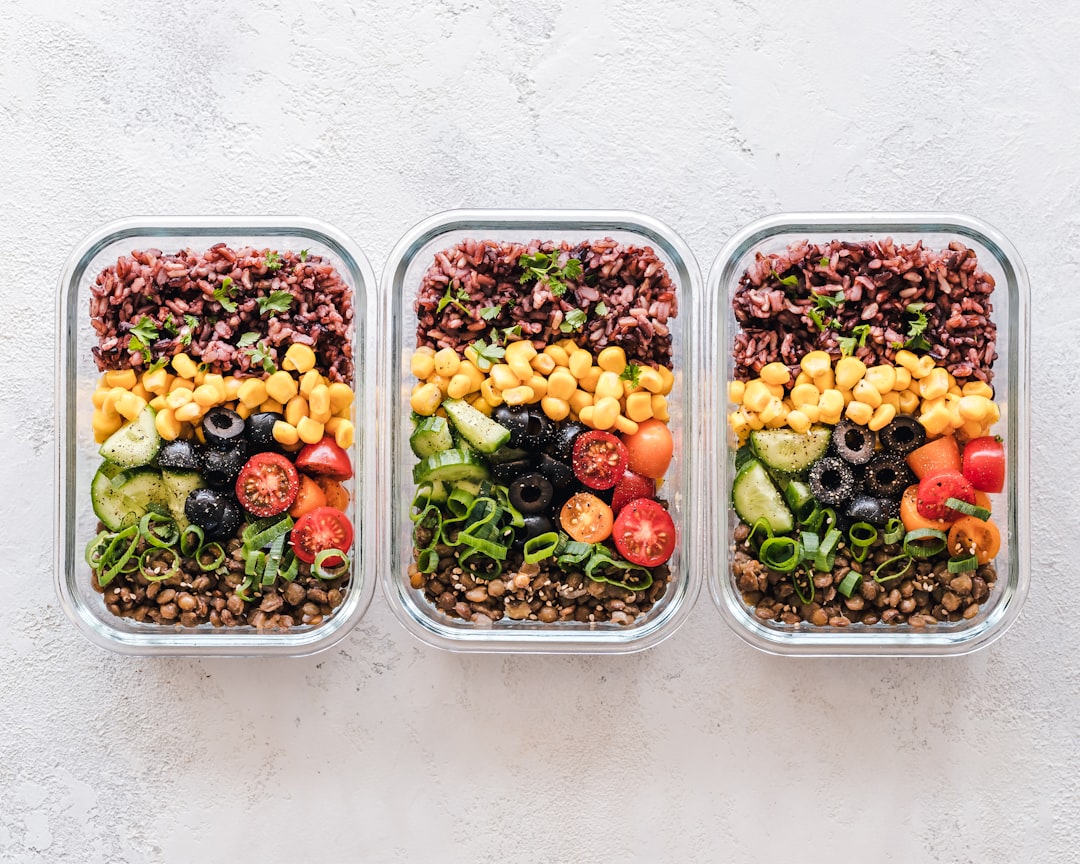
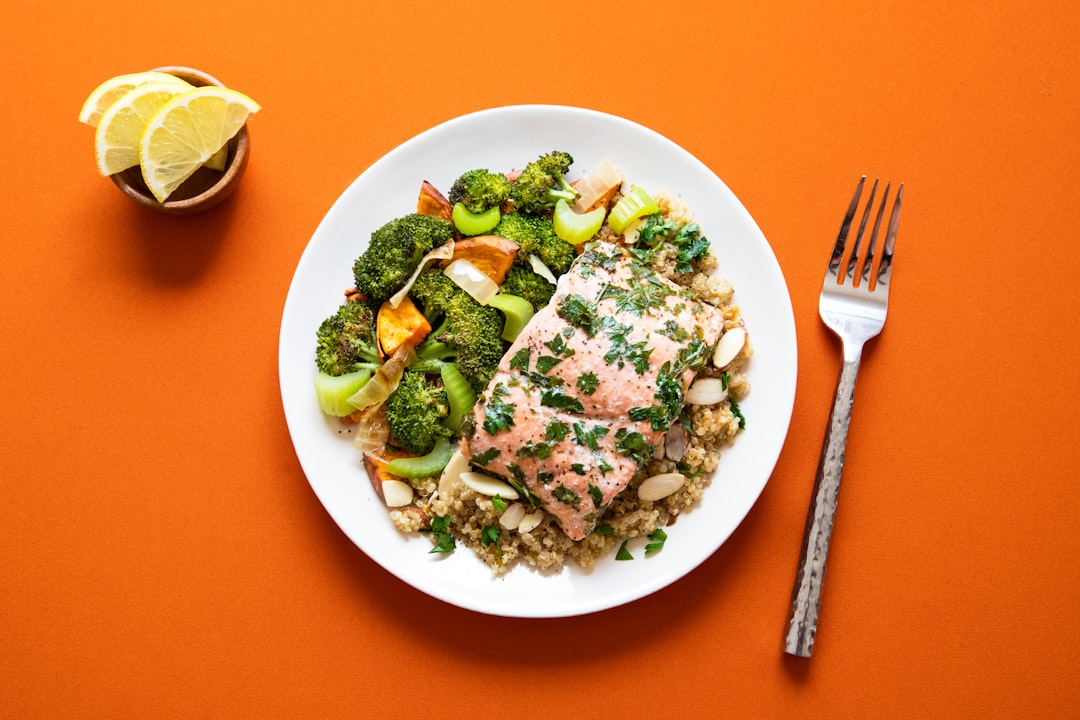
For instance, combining a handful of beans in your salad or enjoying a slice of salmon with a side of sautéed spinach can give you a protein boost along with a punch of nutrients. If you’re finding it challenging to reach your protein goals with meals alone, that might be the moment to reconsider how you’re structuring your meals rather than automatically resorting to protein powder.
When Is Protein Powder Helpful?
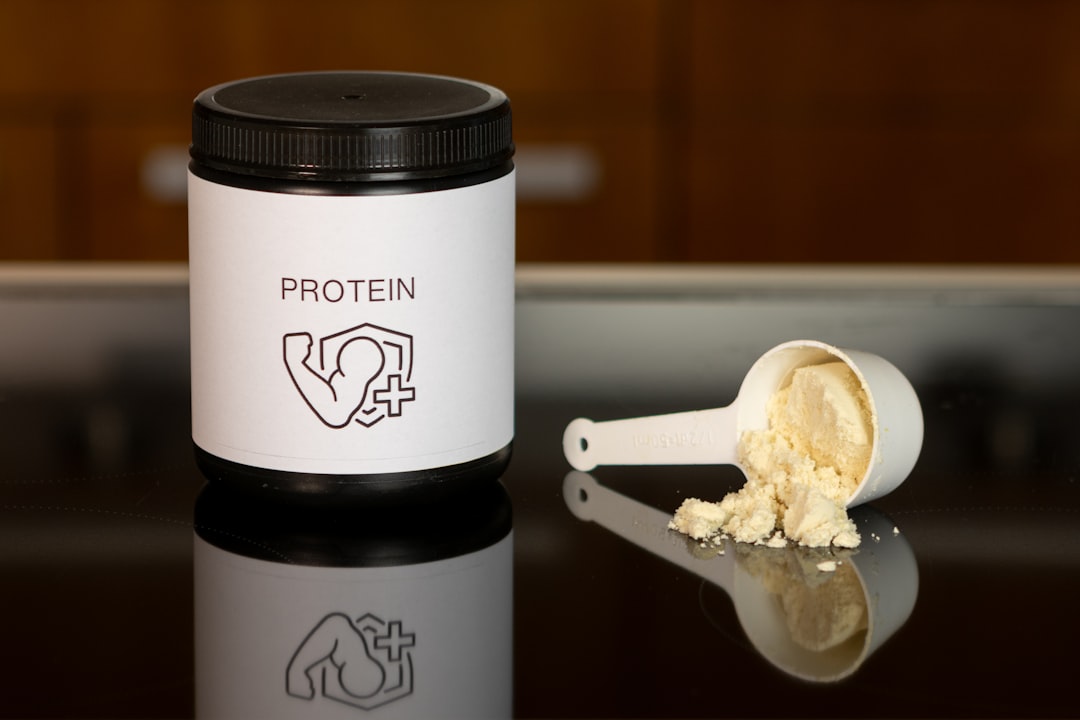
Now, there are instances where protein powder can certainly play a role, especially for those who have very specific dietary requirements, intense workout routines, or challenges fitting in adequate nutrition. If you’re recovering from surgery or an illness, protein shakes can sometimes be an easier way to get necessary nutrition. It's about finding balance.
However, if you’re simply looking to maintain your health while on GLP-1, focus your energy on whole foods. Look for ways to enrich your meals, like adding a sprinkle of nuts to your oatmeal or tossing a few extra beans into your soup, which can create a cozy, nourishing dish.
What to Look for If You Choose to Use Protein Powder
If you decide to integrate protein powder into your routine, be discerning about what you select. Here are a few things to keep in mind:
- Quality Ingredients: Look for powders with minimal added sugars or artificial ingredients. Whole-food-based options can often be more beneficial.
- Complete Proteins: Ensure that your protein powder contains all the essential amino acids, especially if you're relying on it as a primary protein source.
- Personal Tolerance: Pay attention to how your body responds, some powders can cause digestive upset, so it’s worth experimenting to find one that works for you.
Common Questions
Do I need protein powder if I’m eating a balanced diet?
If you're consuming enough protein from whole foods, like meat, dairy, legumes, and nuts, you likely don’t need protein powder.
Can protein powder help me feel full longer?
While protein can promote feelings of fullness, whole food sources often contain additional nutrients and fiber that enhance satiety more effectively than powdered options.
What are the best sources of protein aside from powder?
Excellent sources include eggs, Greek yogurt, lentils, chicken, and fish. These foods provide protein along with important vitamins and minerals for well-rounded nourishment. For more information on dietary protein requirements, you can visit this page.
Comments