Key Takeaways
- Revive forgotten ingredients to create nourishing meals.
- Connect flavors and textures to enhance your cooking experience.
- Adopt a flexible meal mapping approach to inspire creativity.
In This Article
Reviving the Forgotten Ingredients
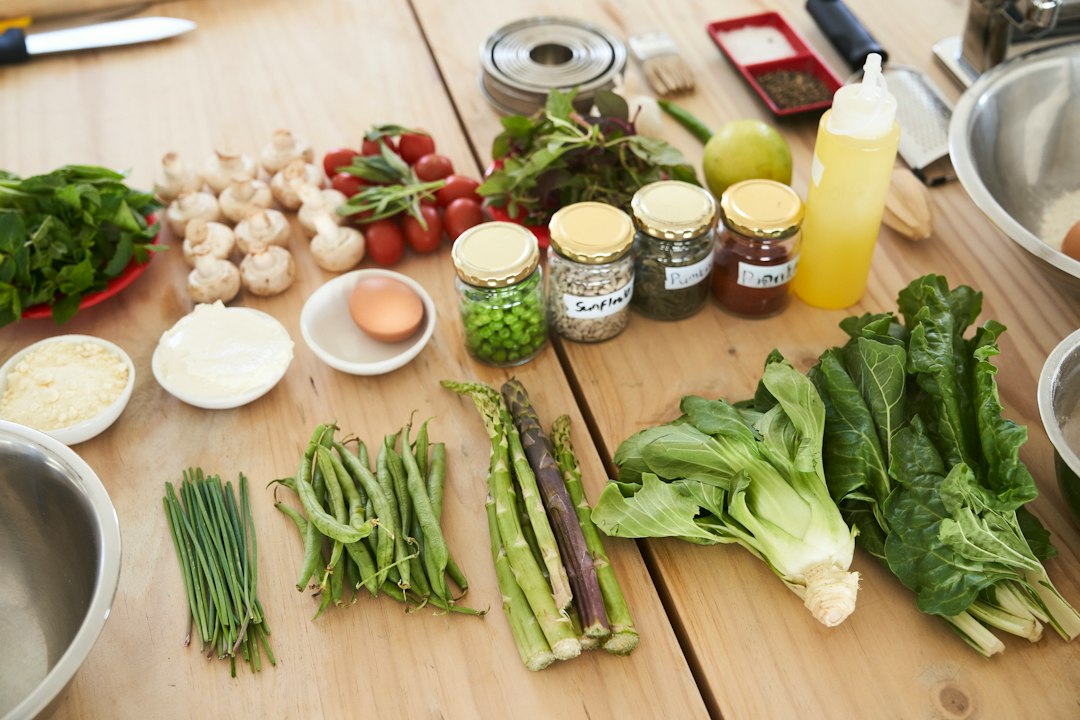
Every kitchen has its quiet heroes, those ingredients tucked away in the corner, patiently waiting for their moment to shine. An unassuming jar of tahini or a half-used bag of frozen peas can be the base of something wonderfully nourishing. Planning meals around what you already have can lead to culinary discoveries, not just leftovers.
Connecting Ingredients and Feelings
Approach your cooking with curiosity. Think about how the flavor of that dried basil might lift a simple tomato sauce or how leftover roasted sweet potatoes can add warmth to a grain salad. This isn’t just about using up old ingredients; it’s about recognizing how they can bring comfort and joy to your meals. Bind the ingredients with your mood and the dishes inspired by them. Do you need something cozy? A creamy soup using yesterday's veggies might do the trick.
Engaging Your Senses
Planning meals isn't just an exercise in practicality; it's also about what sounds, smells, and tastes good together. Pull out those cookbooks or scroll through recipes with specific ingredients. Look at what might be getting a little tired. Have fun mixing textures, like the crunch of raw cabbage paired with soft chickpeas. In the process, you’ll notice which flavors resonate with you more, creating a deeper connection to your meals.
Meal Mapping: An Intuitive Guide
Instead of rigid meal plans, think of meal mapping. Write down three meals that excite you based on what’s on hand. Maybe it’s a stir-fry with those snap peas and leftover rice, followed by a refreshing salad the next day. The beauty here lies in flexibility, don’t worry about perfection. Give yourself permission to adjust as you go, depending on what inspires you each day.
Common Questions
What if I don’t have a recipe for what I want to make?
You don’t need a formal recipe to create something delicious. Use the ingredients you have as your guide. Think about flavors that pair well together or that you enjoy, and play with those. Trust your instincts over rules.
How can I ensure I remember to use these ingredients?
Keep a list on your fridge door or in a visible spot in your kitchen. Quick reminders can prompt your memory as you decide what to cook or prepare. Additionally, spending a moment each week reviewing what you have can help keep it fresh in your mind.
What if some ingredients have been there for too long?
Don’t hesitate to assess those items. If they’re still good but forgotten, find a way to incorporate them into meals. If they’ve clearly passed their prime, let them go gracefully. It’s all part of having a kitchen that reflects your current needs and tastes.


Comments