Key Takeaways
- CGMs provide real-time insight into how food affects your body.
- Understanding personal blood sugar responses can improve food choices.
- Consider both the benefits and potential stress of using a CGM.
In This Article
- Understanding CGMs and Their Benefits
- How CGMs Work
- Finding the Patterns in Your Eating Habits
- Staying Curious About Food and Body Connections
- Considerations Before Starting
- Bringing It All Together
- Common Questions
- Is a CGM right for someone who doesn't have diabetes?
- Will using a CGM change how I feel about food?
- Are there alternatives to CGMs for tracking food effects?
Understanding CGMs and Their Benefits
Continuous glucose monitors, or CGMs, have made quite a splash lately, often spotlighted in diabetes management. But what if you don’t have diabetes? Should you consider using one? It’s a good question, and it’s worth exploring how these handy devices can contribute to a better understanding of your body and its response to food.
How CGMs Work
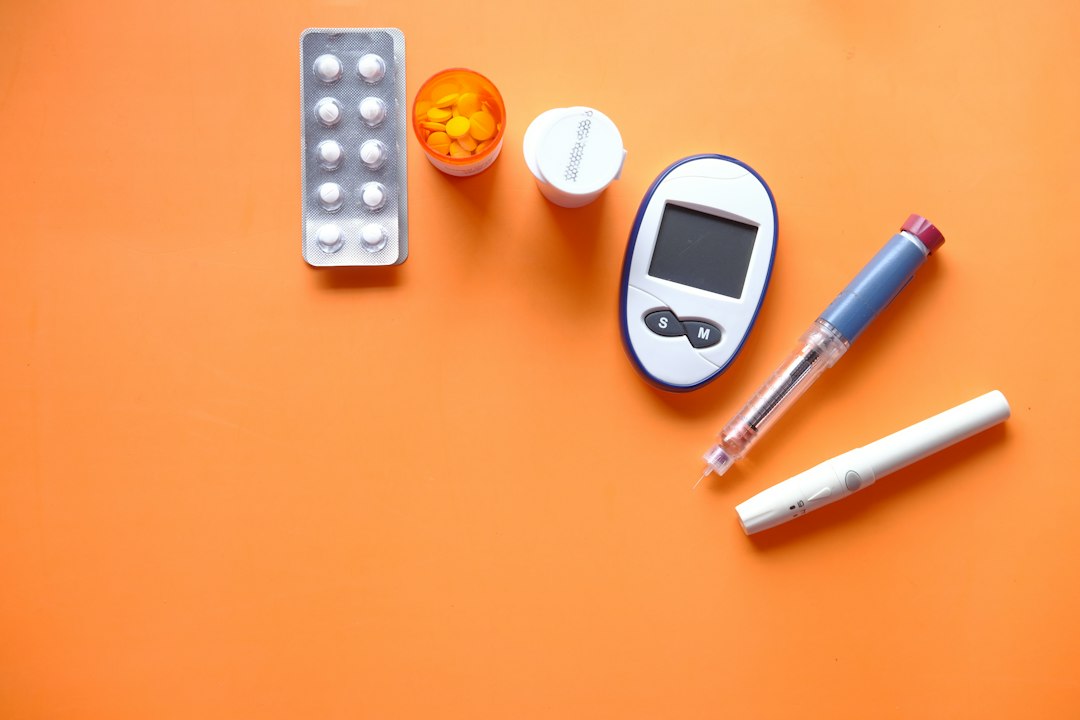
At their core, CGMs are devices that track your blood sugar levels continuously throughout the day. By placing a small sensor under your skin, they provide real-time data on your glucose levels, sending this information to a receiver or smartphone app. This continuous stream of insight allows for a more nuanced understanding of how different meals impact your energy, mood, and overall wellbeing.
Finding the Patterns in Your Eating Habits
Many people, even those who aren’t managing diabetes, share an interest in this technology. Why? Well, a CGM can shed light on the intricate dance between food and how we feel. For example, have you ever wondered why that lunchtime salad left you feeling sluggish by mid-afternoon? Equipped with a CGM, you might see that your blood sugar dipped low after a carb-heavy lunch, a reality that guides your next meal choices.
Rather than being merely a reactive tool, a CGM can also encourage proactive food choices. Imagine having a clear window into how a hearty bowl of oatmeal affects your body versus a sugary breakfast pastry. Having this knowledge doesn’t just shift your immediate cravings, it grounds your choices in meaningful data about how your body functions.
Staying Curious About Food and Body Connections
Using a CGM isn’t just about keeping blood sugar in check; it’s about becoming a more informed eater. This device can help you unlock the connections between the foods you enjoy and how they make you feel. For those who want to enhance their relationship with food, this kind of insight can be incredibly rewarding.
Think about it: the everyday foods that you reach for may have different effects depending on your personal biochemical makeup. Did that sweet potato leave you energized, or did it cause a mid-afternoon dip? A CGM paints a clearer picture, nudging you toward foods that align well with your unique needs without overly restrictive dieting or guesswork.
Considerations Before Starting
Even though CGMs can be enlightening, they’re not for everyone. There are a few things to consider. For one, there’s the cost, while prices have come down in recent years, they can still be a bit steep. Additionally, using a CGM involves a certain level of commitment; adhering to regular scans and analyzing the data can feel intensive. It's crucial to weigh whether this fits comfortably into your lifestyle, or if it feels like just another task on your to-do list.
Moreover, continuous monitoring can stir a sense of anxiety for some. You might find yourself obsessing over numbers rather than enjoying meals, which can lead to a disconnection from the joy of eating. Mindfully considering your personality and how you tend to interact with data is just as important as understanding the science behind CGMs.
Bringing It All Together
So, should you use a CGM if you don’t have diabetes? The answer isn’t a simple yes or no. If you’re curious about how your body reacts to food and are interested in gaining insight into your eating habits, it may be worth exploring. However, harmony in your relationship with food should always take precedence over the quest for information. Ultimately, trust your instincts and choose the path that feels like a warm embrace, not an obligation.
Common Questions
Is a CGM right for someone who doesn't have diabetes?
It can be, especially if you're interested in understanding your body’s response to different foods. However, consider how a CGM fits into your lifestyle and your comfort with the data it provides.
Will using a CGM change how I feel about food?
It might! Many people find that having concrete data helps them make more informed choices, which can enhance their overall relationship with food.
Are there alternatives to CGMs for tracking food effects?
Yes, you could keep a food diary or experiment with different eating patterns to see how they impact your energy levels and mood, although these methods may not provide as immediate feedback as a CGM. Source



Comments