Key Takeaways
- Prioritize diverse plant-based protein sources for your diet.
- Balance meals with proteins, healthy fats, and vibrant veggies.
- Experiment and listen to your body to find what feels good for you.
In This Article
- Plant-Based Protein on GLP-1: No Meat Needed
- Understanding Protein Needs and GLP-1
- The Power of Plant-Based Proteins
- Harmonizing Your Meals
- Making It Work for You
- Common Questions
- How can I make sure I'm getting enough protein on a plant-based diet?
- Can I still enjoy my favorite meals while focusing on plant-based proteins?
- What are some quick meal ideas for busy days?
Plant-Based Protein on GLP-1: No Meat Needed
Adjusting to a plant-based diet while managing GLP-1 levels can feel like a puzzle, especially when you’re trying to hit protein goals without relying on meat. Many hearty plant-based proteins can help you thrive in this journey, combining flavor with nourishment. Let’s dive into some delicious and satisfying options to keep you feeling fulfilled!
Understanding Protein Needs and GLP-1
Your protein requirements may shift depending on your dietary choices and any medications like GLP-1 agonists, such as Ozempic or Wegovy. These medications can alter how your body processes nutrients, which means tweaking your protein intake may enhance your overall well-being. It’s important to focus on the quality of your proteins, ensuring they are not only filling but also packed with essential amino acids to support your body .
The Power of Plant-Based Proteins
Plant-based proteins can be wonderfully diverse. They offer rich flavors and textures that make dishes come alive while providing the protein punch you’re looking for. Here’s a quick look at some stellar options:
- Legumes: Think lentils, chickpeas, and black beans, they’re all high in protein and fiber. A humble lentil soup or a chickpea salad can keep you satisfied and energized.
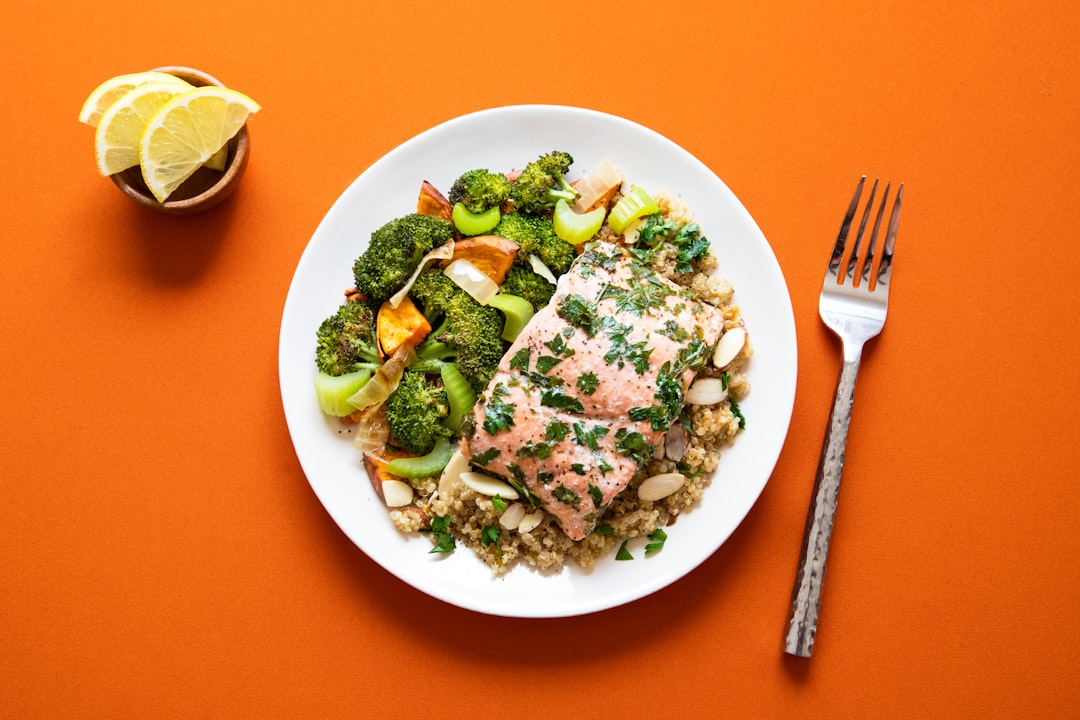
- Quinoa and Other Grains: Quinoa isn’t just trendy; it's a complete protein that gives you all nine essential amino acids. Pair it with roasted veggies for a hearty meal.
- Nuts and Seeds: Almonds, chia seeds, and hemp seeds add not just protein but also healthy fats. Sprinkle them on salads or blend them into smoothies for a rich texture and flavor.
- Tofu and Tempeh: These soy products are remarkable protein sources that soak up flavors beautifully. A stir-fry with marinated tofu can be a lively centerpiece for your meal.
Harmonizing Your Meals
If you’re on a GLP-1 regimen, you’ll want to keep an eye on how certain foods affect your feelings of fullness and energy. Experiment with different combinations of these protein-rich foods. Pairing quinoa with roasted vegetables and chickpeas can create a colorful, nutritious bowl that provides layers of textures and flavors, while also supporting your protein intake.
Don’t overlook the power of herbs and spices. They not only elevate your meals but can also enhance your mood, think curry powder, garlic, and fresh herbs like cilantro and parsley. It’s all about creating meals that make your body feel good while satisfying those cravings.
Making It Work for You
Transitioning to a plant-based focus while managing GLP-1 can come with its challenges, especially when it comes to ensuring adequate protein intake. The key is to integrate these wholesome ingredients into your routine gradually. Perhaps start with one plant-based meal a day and observe how your body reacts. The more you cook and experiment, the more you’ll discover what resonates with your tastes and nutritional needs.
Above all, listen to your body. It has a way of guiding you toward what it needs, and with a little exploration, you’ll find a delicious rhythm that not only satisfies your palate but nurtures your health.
Common Questions
How can I make sure I'm getting enough protein on a plant-based diet?
Including a variety of protein sources, such as legumes, grains, nuts, and seeds, is crucial. Mixing and matching these in meals can help meet your daily protein requirements effectively.
Can I still enjoy my favorite meals while focusing on plant-based proteins?
Absolutely! Many favorite meals can be adapted. For example, you can make a hearty chili with black beans instead of ground meat or a creamy pasta with cashew cream for a richer texture.
What are some quick meal ideas for busy days?
Prep is key! Consider making a batch of quinoa or lentils at the beginning of the week. Combine them with your favorite vegetables and some nuts for an easy, protein-packed meal you can enjoy all week.



Comments