
Key Takeaways
- Muscle mass boosts metabolism; include strength training.
- Quality protein supports muscle repair and keeps you feeling full.
- Small changes in your approach can reignite progress.
In This Article
Understanding Your Plateau
When you're navigating the world of GLP-1 medications like Ozempic or Wegovy, hitting a plateau can feel frustrating, almost like treading water without a visible shore ahead. Your body is doing the hard work, and when the scale doesn’t budge, it’s natural to wonder what's happening under the surface. Often, the answer ties back to three interconnected factors: muscle, metabolism, and protein.
The Role of Muscle
Muscle mass plays a pivotal role in your metabolism. More muscle means a higher resting metabolic rate, which translates to more calories burned even when you're simply lounging on the couch. If your workout routine has become stagnant or less rigorous, the potential muscle gain may stall, leading to slower metabolism. Are you incorporating enough strength training to maintain or build muscle? Even short, targeted sessions twice a week can make a significant difference.
Metabolism and Its Shifts
As we age or change our activity levels, our metabolism can shift, either slowing down or adapting to what we’re feeding it. That’s why simply reducing caloric intake often isn’t the answer; your body needs quality fuel to rev up its energy systems. Have you been focusing solely on cutting calories? A nourishing approach that includes ample protein could help revitalize your metabolism and kickstart that GLP-1 response.
The Power of Protein
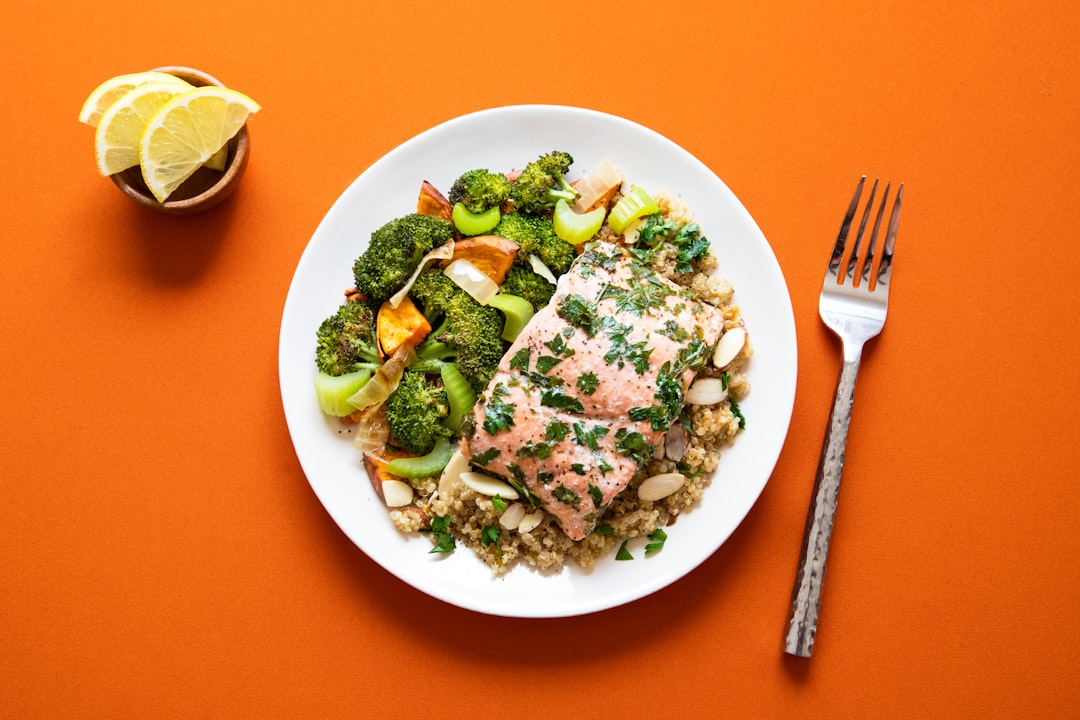
Protein is your best friend when it comes to feeling satiated and building muscle. Not only does it help repair and grow your muscles after those sessions at the gym, but it also enhances feelings of fullness. Have you thought about the number of protein-rich foods you’re including in your meals? Foods like lentils, chicken, Greek yogurt, and chickpeas pack a punch that helps maintain that metabolic furnace. It might be worth taking a little inventory of your meals to see if you're getting enough protein throughout the day.
Finding Your Rhythm
As you connect the dots between muscle, metabolism, and protein, remember that every body is a little different. What works for one person may not work for another, so tuning into your own body's signals matters. Noticing patterns in how you eat, move, and feel can illuminate the path to breaking through that plateau. Sometimes, even small shifts can lead to the progress you're looking for.
Common Questions
What should I do if I'm not seeing results with GLP-1 medication?
Consider evaluating your muscle mass and protein intake. Integrating strength training and increasing protein may help you see results.
How much protein should I be aiming for?
A common recommendation is to aim for about 0.8 grams of protein for every kilogram of body weight. It can vary depending on your activity level and health goals.
Can I maintain muscle without heavy lifting?
Absolutely! Bodyweight exercises, resistance bands, or even light weights can preserve and build muscle strength. Consistency is key!
For more detailed information on the role of protein in muscle metabolism, you can refer to research from the National Institutes of Health.

Comments