Key Takeaways
- Fiber enhances digestion and feelings of fullness, especially useful on GLP-1.
- Small dietary changes can significantly increase fiber intake.
- Listening to your body helps fine-tune your fiber consumption.
In This Article
The Role of Fiber in Digestion
Fiber is more than just a buzzword in nutrition; it's a crucial player in how our bodies process food. If you're on GLP-1 medication, you might already be experiencing changes in your digestion and how full you feel. This is where fiber comes in. It not only helps keep things moving in our digestive tract but also plays a significant role in the sensation of fullness, or satiety. It’s fascinating how the texture of your food can change your body's response, and fiber-rich foods are masters at promoting those feelings of satisfaction .
Feeling Full, Naturally
When you eat a meal that’s high in fiber, think whole grains, legumes, and colorful vegetables, you’re less likely to overeat because fiber takes longer to break down and digest. It slows the passage of food through your stomach, making those precious feelings of fullness last longer. This is especially helpful for those adjusting to GLP-1 medications, which can change your appetite and how your body processes food.
A common experience with GLP-1 treatments is a reduced appetite, which is why ensuring that you eat the right foods becomes even more important. You want to maximize nourishment without feeling the urge to graze frequently. Enter fiber, the hidden gem that can keep your meals both satisfying and health-boosting.
Easy Ways to Boost Fiber Intake
You might be wondering how to fit more fiber into your life without feeling overwhelmed by new meal plans. Start by making small, simple shifts. Here are a few to consider:
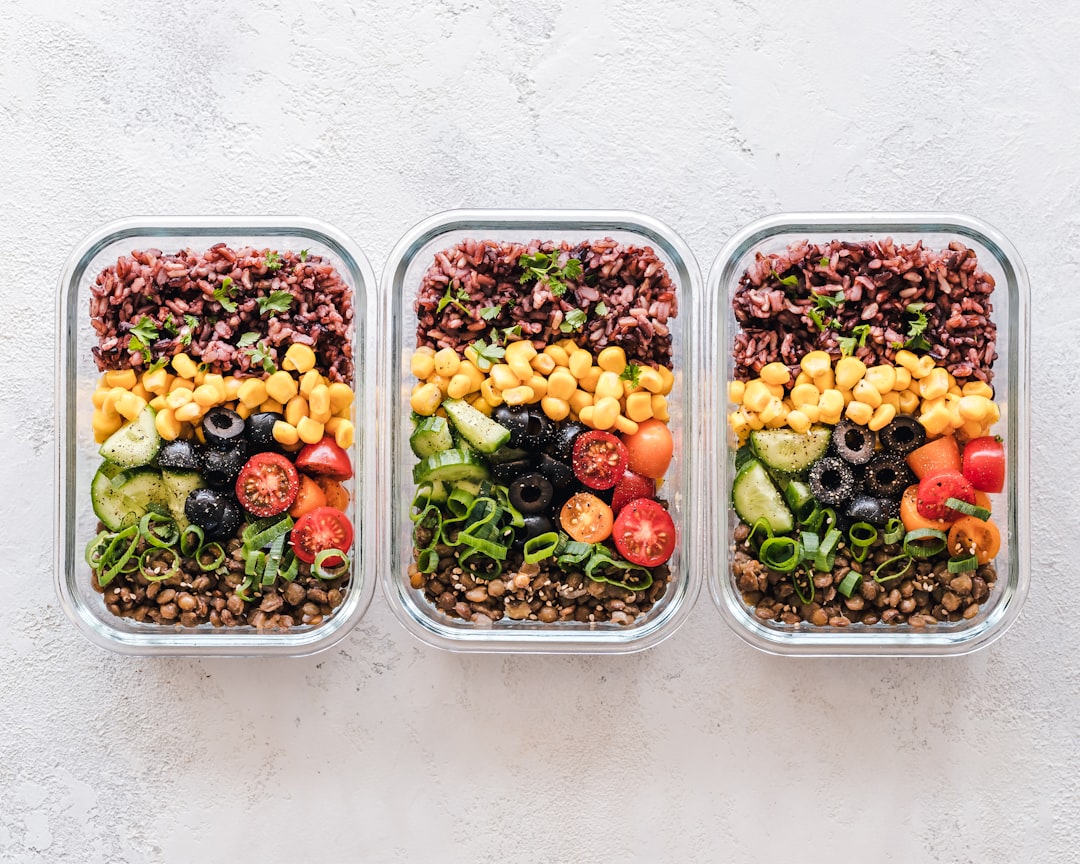
- Opt for whole grains: Choose brown rice or quinoa over white rice, and go for whole grain bread or pasta. They offer more fiber and nutrients.
- Snack smart: Instead of chips, try hummus with carrot sticks or apple slices with almond butter. These snacks are both delicious and fiber-rich.
- Add beans: Whether it’s a chili, salad, or soup, adding a can of beans (rinsed or soaked beforehand) can elevate the fiber content significantly.
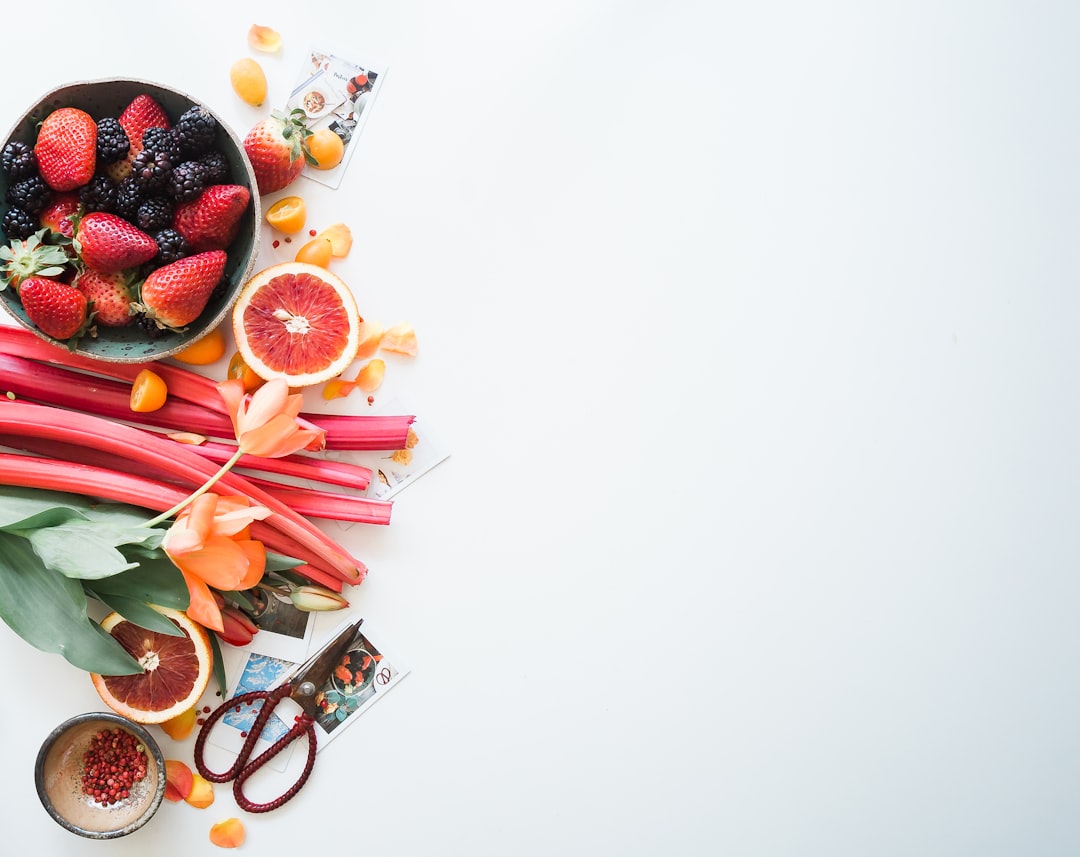
- Try fiber-rich fruits: Berries, pears, and apples are not only tasty but also provide a burst of fiber and flavor.
With every meal and snack, you have an opportunity to enhance your fiber intake. Monitor how these changes affect how you feel, energy levels, fullness, and even mood can shift!
Concluding Thoughts
As you navigate your meals on a GLP-1 regimen, remember that fiber is your ally. It can make your meals more enjoyable and satisfying, setting the stage for a balanced approach to eating. Embrace fiber not just for its health benefits, but for how it enhances your overall dining experience. Curious how specific foods impact your sense of fullness? Keep tuning into your body; it has a rich story to tell.
Common Questions
How much fiber do I need daily?
Generally, aiming for 25-30 grams of fiber per day is a good target for adults. However, if you're adjusting to GLP-1 medication, listen to your body, as needs may vary.
Can too much fiber cause digestive issues?
Yes, a sudden increase in fiber can lead to discomfort. It's best to gradually increase fiber intake while also drinking plenty of water.
Are all fibers the same?
No, they come in two types: soluble and insoluble. Soluble fiber (found in oats, apples, and beans) helps with digestion and heart health, while insoluble fiber (found in whole grains and vegetables) aids in adding bulk to your stool.
Comments