Key Takeaways
- Cooking transforms proteins and enhances flavor through denaturation.
- Caramelization gives depth to sweetness, altering taste dynamics.
- Slow cooking allows flavors to meld, creating a richer eating experience.
In This Article
- The Art and Science of Cooking
- Proteins Denaturing: The Backbone of Flavor
- Sugars Caramelizing: From Raw to Rich
- Flavors Evolving: The Symphony of Cooking
- Common Questions
- What happens to proteins when they're cooked?
- How does cooking affect the sweetness of food?
- Why do some flavors develop better with slow cooking?
The Art and Science of Cooking
Cooking isn’t just a way to nourish ourselves; it’s a beautiful dance of transformation. When heat meets food, everything from the shape of a protein to the sweetness of a sugar shifts, reshaping our meals and influencing how we experience them. Ever wondered why grilled chicken tastes different than poached chicken? Let’s take a look at the magic happening in your kitchen.
Proteins Denaturing: The Backbone of Flavor
When proteins are heated, they undergo a process called denaturation. This isn’t just a fancy word; it’s what gives your well-cooked steak its iconic texture and taste. Imagine the muscle fibers, originally coiled and tightly packed, loosening up as they heat, creating a more palatable and tender bite. Think of scrambled eggs, too. When you crack an egg into a hot skillet, the albumin (the egg white) transforms from a runny liquid into a firm, fluffy texture. The heat breaks down the structures, resulting in a comforting breakfast staple.
This transformation affects more than just texture. It also unlocks new flavors. Some amino acids become more pronounced, enhancing umami notes that were hidden in raw foods. A seared piece of fish, for example, gains complexity as heat changes its composition, adding depth to the dish.
Sugars Caramelizing: From Raw to Rich
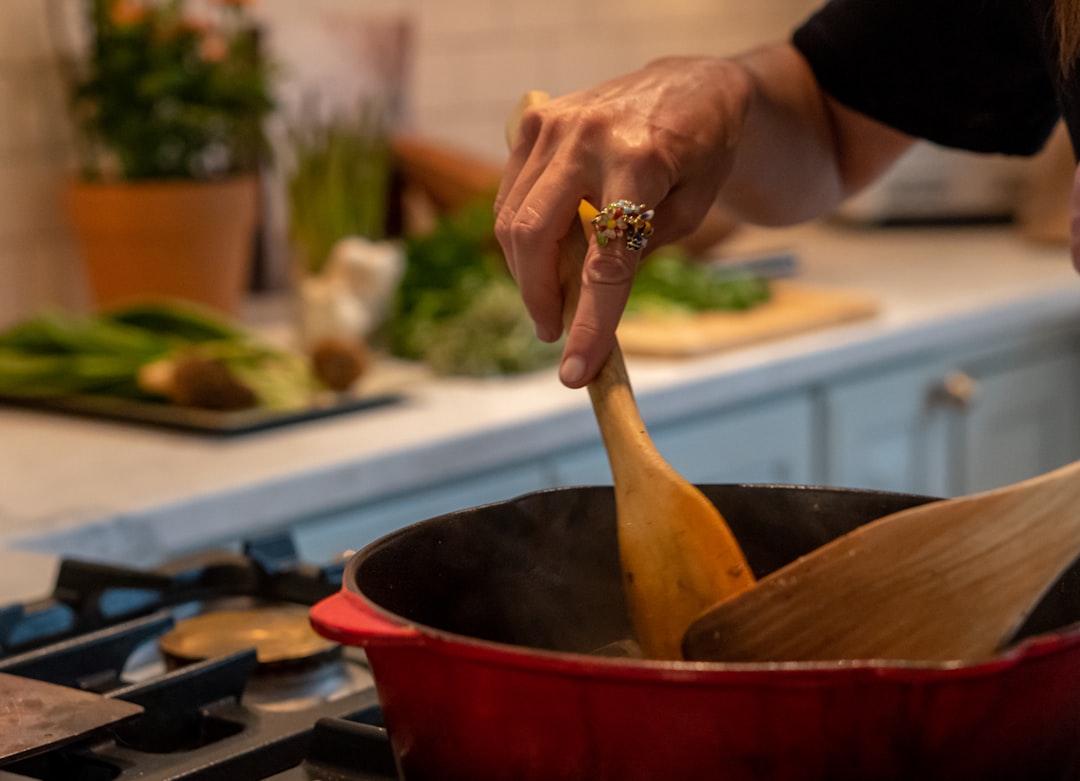
Imagine tossing sliced onions into a pan. At first, they sizzle and release moisture, but with patience and heat, something magical happens: they caramelize. This process not only deepens flavor but transforms the simple sweetness of raw onions into rich, complex layers of flavor. As the sugars in the onions break down and brown, they evolve into a sweet and savory explosion that elevates any dish.
Caramelization doesn’t just apply to onions. Think about the crust on freshly baked bread or the golden brown top of a crème brûlée. Heat triggers chemical reactions that create new flavors and aromas, making meals more satisfying. These maillard reactions, where sugars and proteins react at high temperatures, are also responsible for that delightful crisp on your favorite roasted vegetables.
Flavors Evolving: The Symphony of Cooking
Cooking is a storytelling process where flavors evolve through time and temperature. When you simmer a pot of tomato sauce, the natural acidity of the tomatoes softens, and the sweetness transforms as flavors meld together. Fresh basil added at the start infuses warmth, while a late sprinkle of fresh herbs at the end provides a bright note that revitalizes the dish.
Even the way we approach cooking influences our meals. Slow cooking allows flavors to deepen over hours, while quick stir-frying preserves the freshness of ingredients, emphasizing their inherent qualities. Each method shapes not just the taste but our emotional responses, comfort from a warm stew, or a burst of brightness from a quick sauté. This connection between our meals and our feelings is profound, marking every bite with meaning.
Common Questions
What happens to proteins when they're cooked?
Proteins undergo denaturation, meaning their structure changes, making them more digestible and altering their texture and flavor.
How does cooking affect the sweetness of food?
Cooking can enhance sweetness through caramelization, where sugars break down and transform, creating richer flavors.
Why do some flavors develop better with slow cooking?
Slow cooking allows for more time for flavors to meld and develop complexity, making each ingredient more pronounced in the final dish.
Comments