Key Takeaways
- Fresh ingredients are best enjoyed promptly.
- Leftovers enjoyed within two days are often more satisfying.
- Mindful snacking can enhance mealtime enjoyment.
In This Article
- A Gentle Influence on Culinary Habits
- The Prime Time for Fresh Ingredients
- Leftovers and Their Sweet Spot
- The Cycle of Cooking and Snacking
- Connecting with Your Kitchen’s Rhythms
- Common Questions
- How can I be more intentional about using leftovers?
- What’s the best timing for meal prep during the week?
- How do I know if food is still good to eat?
A Gentle Influence on Culinary Habits
Timing in the kitchen is often subtle yet powerful. Whether it’s when you decide to prepare a meal or how long you let leftovers linger, timing influences not just what we eat but also how we feel about it. I find the choices we make, often unconsciously, around timing can either lead us to savor each bite or to let food slip away unused.
The Prime Time for Fresh Ingredients
The concept of "prime time" isn’t just for TV shows; it applies to your food as well. For example, cooking a fresh batch of veggies or grains right when you purchase them can open up the week for effortless meals. When fresh tomatoes and zucchini arrive, why wait until you have a special occasion to enjoy their peak flavor? Making a hearty ratatouille the day of a grocery run means you get the full essence of those ingredients.
If you notice that certain ingredients seem destined for the back of the fridge, try scheduling a specific day to use them, like a weekly vegetable stir-fry night. This not only makes it easy to enjoy what you’ve bought but also gives predictability to your meals, lessening the chance of them fading into the forgotten.
Leftovers and Their Sweet Spot
Leftovers can be a joyful part of cooking, particularly when their timing is just right. Do you remember the last time you dove into a Tupperware of sautéed greens just a day after they were made? There's a freshness in that first bite, an invitation to revisit a dish with a slightly different perspective. But sometimes, we let the days drag on, thinking, "I'll get to that later..." and before we know it, that promise fades.
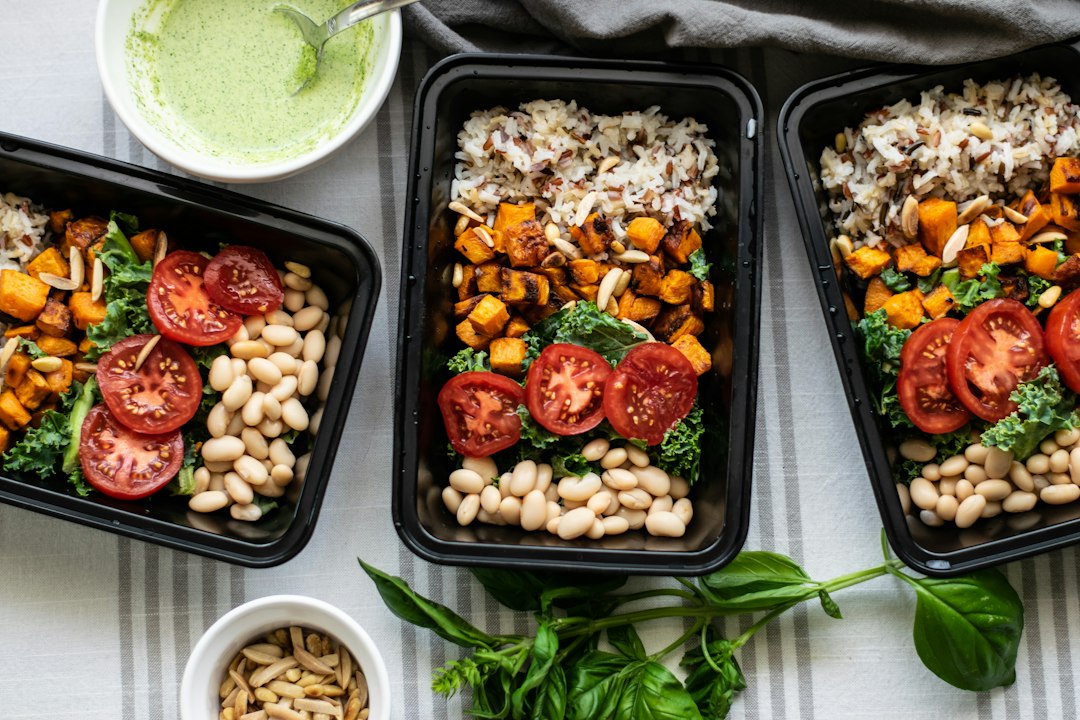
To give your leftovers the attention they deserve, aim to enjoy them within two days. Set a goal to incorporate them into a lunch the next day or even as a side for dinner, honoring their initial vibrancy. Timing may sound trivial, but acting on those early days often means enjoying them at their best without feeling like you’re only eating last night’s dinner.
The Cycle of Cooking and Snacking
When we think about when to eat, the rhythms of our day come into play, especially with snacks. Have you noticed a pattern when you snack right before dinner versus after? A well-timed handful of almonds or a slice of cheese could satisfy those cravings and mean enjoying dinner to its fullest. But if that snacktime comes too close to a meal, the results can leave a lot of food on your plate.
Take note of how your body feels throughout the day; is there a sweet spot for that mid-afternoon snack? By being mindful of timing, you can mix in those little bites effortlessly without upending dinner. The question could be less about what to eat and more about when to enjoy it, making energy management a pleasure rather than a chore.
Connecting with Your Kitchen’s Rhythms
Patterns often reveal themselves through our kitchens and meals, and it’s those subtleties that can clean up clutter, not just on our plates, but in our minds. Create a small habit of noticing how timing influences what you eat and how you feel afterward. Maybe Sunday evenings turn into your chance to roast whole vegetables for the week, or late mornings become the time for a hearty breakfast where you relish the flavors of everything from eggs to toast spread with ripe avocado.
In tuning into timing, you're not just reducing unused food, but also enhancing your meals and reconnecting with food on a deeper level.
Common Questions
How can I be more intentional about using leftovers?
Start by assigning specific meals for leftovers that you'll look forward to. For instance, if you roast chicken on Sunday, plan to turn the rest into a hearty soup by midweek. This way, you enjoy its flavors anew rather than letting it sit.
What’s the best timing for meal prep during the week?
Consider dedicating one day, perhaps Sunday, for chopping and organizing ingredients for easy cooking throughout the week. This cultivates a rhythm that aligns with your eating habits while minimizing food spoilage.
How do I know if food is still good to eat?
Trust your senses! Sight, smell, and touch can often guide you. If something appears moldy or smells off, it's best to err on the side of caution. Fresh does indeed make a difference!
Comments