Key Takeaways
- Texture influences our eating experience just as much as taste.
- Time can change the texture of food, affecting our feelings about it.
- Understanding texture can help you satisfy emotional cravings and enhance meals.
In This Article
Texture: The Unseen Player in Our Meals
Think about your favorite meal. Is it the rich flavor of the sauce or the satisfying crunch of fresh vegetables that lingers in your memory? Texture significantly shapes our experience, often as much as taste itself. When we bite into something crispy, like a perfectly roasted Brussels sprout, it creates a sensory excitement that adds depth to our enjoyment. In contrast, consider the subtle, soothing comfort of a warm bowl of oatmeal. These different textures, crunchy, creamy, chewy, serve as essential cues for our bodies, influencing not just enjoyment but feelings of fullness and satisfaction.
How Time Changes Texture
The relationship between food and texture can shift as time passes. Take a look at a banana: when it's perfectly ripe, it's soft and sweet, but leave it out for a few days, and it becomes mushy and overly soft. While it may still taste sweet, that altered texture can change our desire to eat it. The same goes for bread; fresh from the oven, it has a delightful crust that crackles under pressure, but left out or stored improperly, it can turn chewy or stale. Recognizing these changes helps us understand our cravings and choices.
The Emotional Connection to Texture
Food texture affects us on a deeper level too. Consider a nostalgic meal from your childhood. Was it the velvety smoothness of mac and cheese or the firm bite of a well-cooked potato that made it special? These textures often evoke memories and feelings, creating a comforting emotional landscape around the meal. When we sit down to eat, the combination of flavors and textures can transport us to a different time and place, enhancing our connection to both the food and our emotions.
Textures That Satisfy
Your response to different textures might reveal patterns about your needs at a given moment. Are you craving something crunchy after a long day? Maybe your body is seeking a release or outlet for stress. Those crispy carrot sticks or a salad with nuts could provide that satisfying contrast to the day's emotional heaviness. Alternatively, if you're looking for something calming, a soft avocado toast may serve you better. By paying attention to what textures you desire, you can create meals that not only taste good but also help align with your emotional state.
Common Questions
Why should I pay attention to food texture?
Food texture impacts not just how satisfying a meal is, but also how it makes you feel on an emotional level. Being mindful of textures can enhance your eating experience and connection to food.
How can I enjoy different textures in my meals?
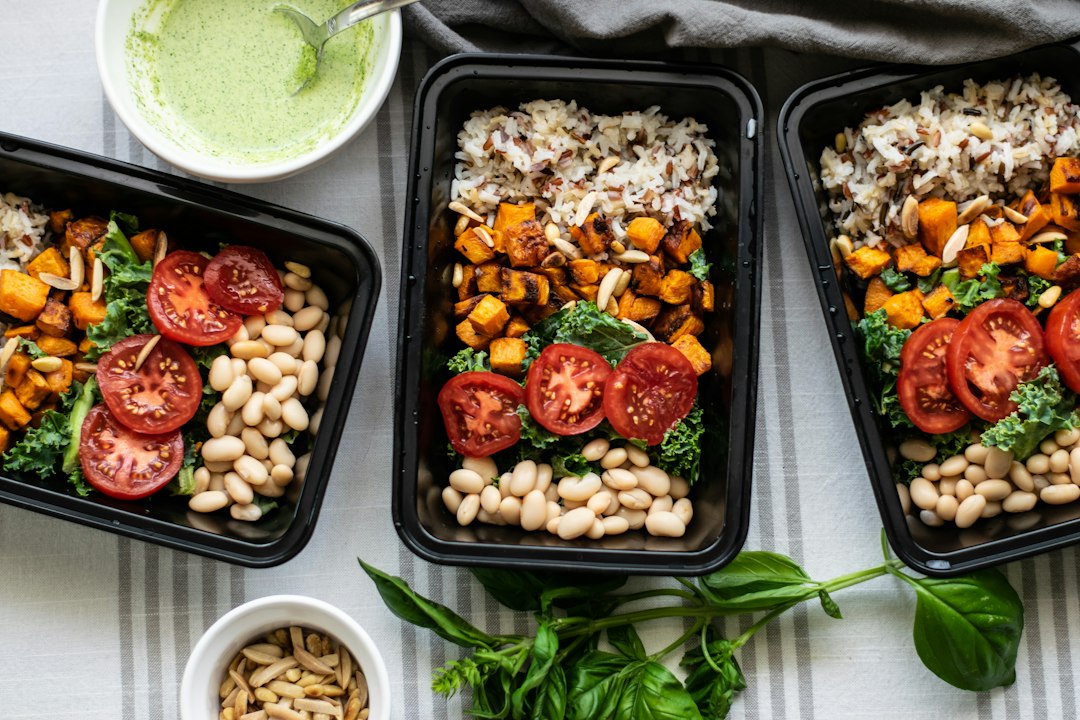
Mix textures in your cooking: pair crunchy nuts with creamy yogurt or soft cooked grains with crisp vegetables. This variety creates a more satisfying and enjoyable eating experience.
Can texture affect my appetite or fullness?
Absolutely! Different textures can impact how full you feel. Crunchy foods often require more chewing, which can give you a greater sense of satisfaction, while softer foods may seem less filling.


Comments