Key Takeaways
- Plan meals around what you already have to cut costs.
- Labeling containers helps in managing expiration dates.
- Freezing food is a smart way to keep it from spoiling.
In This Article
When the Fridge Becomes a Time Capsule
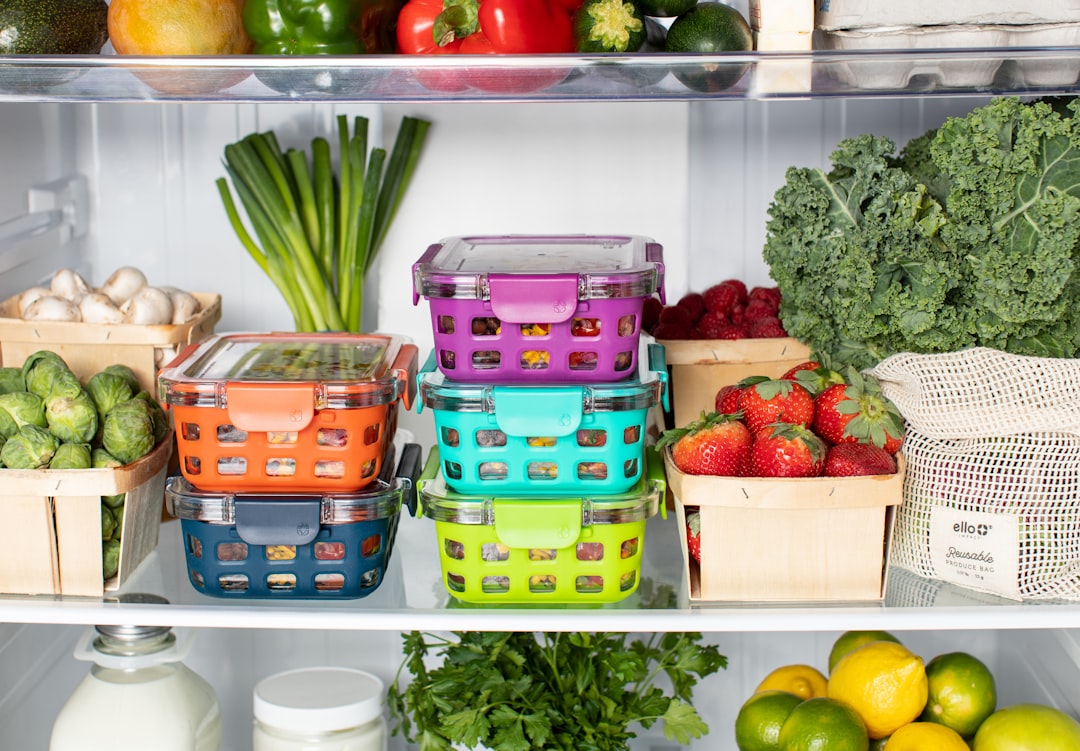
You know that moment when you open the fridge and suddenly feel like you’re stepping into a game of Tetris? The leftover pad Thai from two weekends ago is lurking behind a half-eaten tub of guacamole, and the bag of spinach is almost as wilted as your plans to eat healthier this week. It’s a familiar scene for many of us, especially as food prices edge higher and higher. Let’s chat about how we can turn that fridge chaos into a haven for fresh food, while saving some cash in the process.
The Pricey Problem of Food That Goes Bad
While I can’t solve the global economy, I can give you some tips on how to keep your grocery budget from doing gymnastics. Did you know that a huge chunk of the food we buy goes straight to the landfill? It’s like tossing money out the window, money that could easily buy you a week’s worth of coffee or your favorite snacks.
Here’s a little secret: planning meals around what you already have can be a game changer. Imagine transforming that lonely chicken breast and some old veggies into a hearty stir-fry. Did someone say late-night crunch munchies? Oh wait, that’s me eyeing leftovers!
Smart Strategies for Tracking Those Expiration Dates
Okay, real talk: labeling containers might feel like it’s adding another thing to your to-do list, but trust me, it’s worth it. Here are some practical strategies to throw out less food, without turning your kitchen into a laboratory:
- Know your dates: Understand the difference between “sell by,” “best by,” and “use by.” Most items are still good for a while after those dates.
- First in, first out: Organize your fridge like a pro! Place new groceries in the back and older items up front. It’s like a VIP treatment for your leftovers.
- The forgotten freezer: Freezing food can be a lifesaver. Got extra bread? Freeze it! Those browning bananas? Smoothie time!
- Tech to the rescue: Download an app (like you know which one I'm talking about!) to keep track of what you have on hand and when it expires. It’s like having a mini food assistant!
- Embrace the mystery Tupperware: Sometimes, all you need is creativity. Best lunch ever? Turn that stray quinoa and black beans into a salad and you’ve mastered leftovers.
Now I won’t judge if the container of three-day-old chili looks a little scary. It happens to the best of us! Just remember, food that goes bad is money lost, especially when groceries are more precious than gold lately.
Common Questions
How can I tell if food is still safe to eat?
Use your senses! Check for any off-smells, discoloration, or mold. If everything looks and smells okay, you’re probably good to go.
What should I do with expired foods?
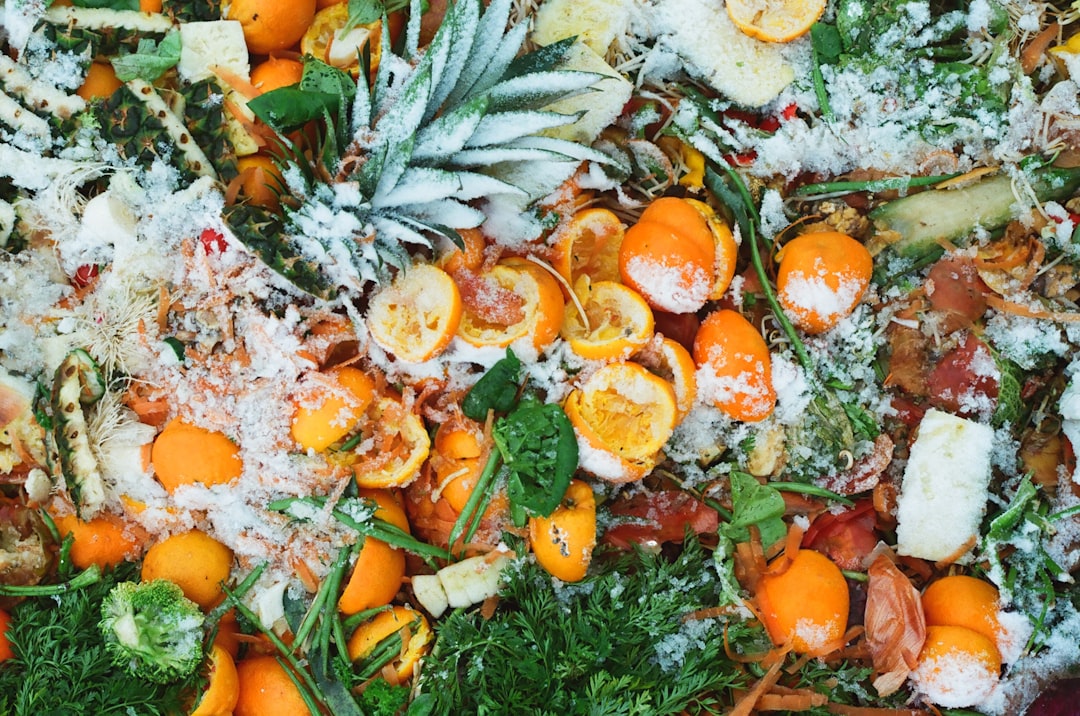
Before you toss it, research if it’s compostable! If not, don’t hesitate to put non-perishables in your local food bank. It’s a win-win!
How can I help my family throw out less food?
Involve them in meal planning! Make it a fun family activity where everyone gets to choose a meal for the week. This can encourage them to eat what’s already in the fridge!
Ultimately, throwing out less food is not just an eco-friendly endeavor, it’s also a savvy money-saving strategy in these expensive times. Let’s get smart with our groceries and keep that fridge from becoming a food graveyard!
Comments