Key Takeaways
- Plan your meals and create a shopping list to avoid impulse purchases and let less food spoil.
- Understand food labels to distinguish between 'best by,' 'sell by,' and 'use by' dates for better food management.
- Use airtight containers to extend the shelf life of perishables and keep your kitchen organized.
- Get creative with leftovers and consider freezing food nearing expiration to keep it from going bad.
- Educate your family about food spoilage and responsible consumption to foster collective efforts in throwing out less food.
In This Article
- Introduction
- 1. Plan Your Meals
- 2. Create a Shopping List
- 3. Understand Food Labels
- 4. Invest in Airtight Containers
- 5. Get Creative with Leftovers
- 6. Freeze What You Can
- 7. Use the ‘First In, First Out’ (FIFO) Method
- 8. Compost Unuseable Food
- 9. Educate Yourself and Your Family
- 10. Use Nishi to Track Expiration Dates
- Conclusion
Introduction
Food that goes bad is one of the biggest challenges facing households today, impacting both our wallets and the environment! It's not just a personal loss but a significant issue affecting our planet. Luckily, there are simple, actionable ways to throw out less food in our homes. Let's explore 10 practical methods to help you save money, let less food spoil, and make a positive impact.
1. Plan Your Meals
Before heading to the grocery store, take a few minutes to plan your meals for the week. Having a concrete meal plan can help you buy only what you need and minimize impulse purchases. A clear plan also reduces the chances of food spoiling before you get to it.
2. Create a Shopping List
Along with meal planning, a detailed shopping list is crucial. Stick to your list to avoid buying items you don't need, which will ultimately end up in the trash. Remember: a focused approach saves you money and helps keep your kitchen organized!
3. Understand Food Labels
“Best by,” “sell by,” and “use by” dates can be confusing, but understanding them can help you throw out less food. Many foods are still safe to eat after these dates. Pay attention to smell, texture, and taste. A little knowledge can yield substantial savings!
4. Invest in Airtight Containers
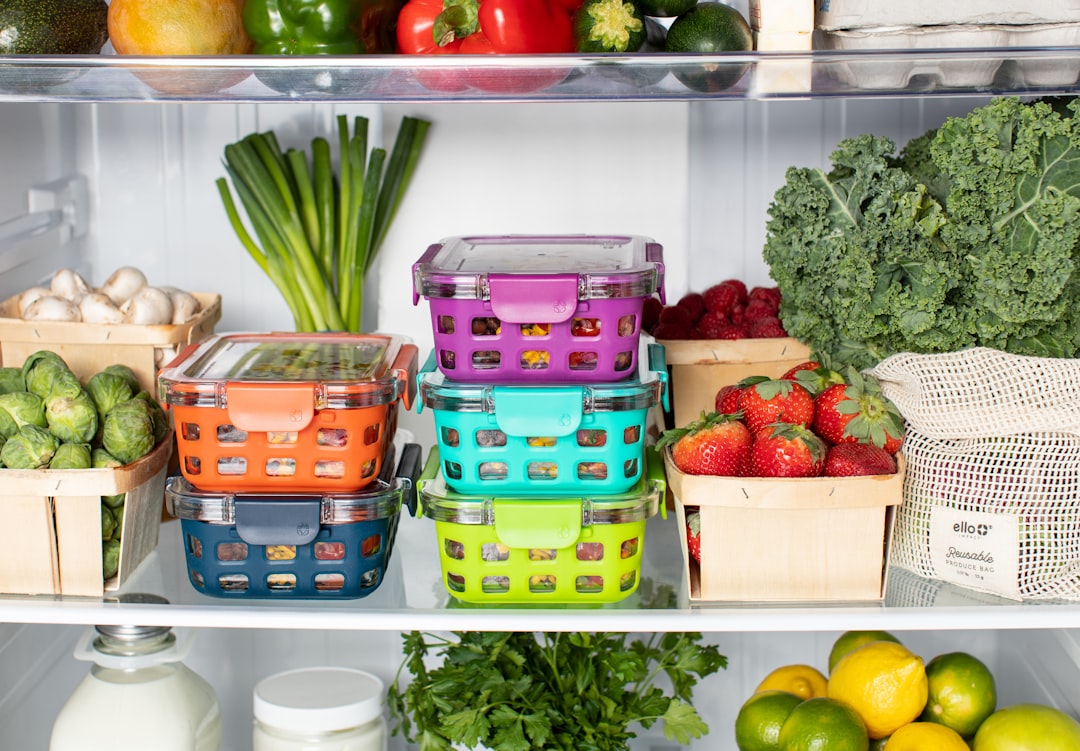
Failing to store food properly is a big reason food goes bad. Use airtight containers to keep perishable items fresh for longer. This not only extends their shelf life but also makes your fridge look more organized and appealing!
5. Get Creative with Leftovers
Rather than letting leftovers go bad, get creative in the kitchen! Transform last night’s dinner into a new meal. For example, yesterday's roasted veggies can become a hearty soup or a delicious omelet. Your imagination is the limit!
6. Freeze What You Can
If you have food that's nearing its expiration date, consider freezing it. Many fruits, vegetables, and cooked meals can be frozen for later use. Not only does this save food, but it also makes it easy to whip up a meal in a pinch!
7. Use the ‘First In, First Out’ (FIFO) Method
To make sure you're using older items first, practice the FIFO method. When you bring new groceries home, place them behind older items. This way, you’ll always reach for the food that needs to be consumed first, reducing the risk of it going bad.
8. Compost Unuseable Food
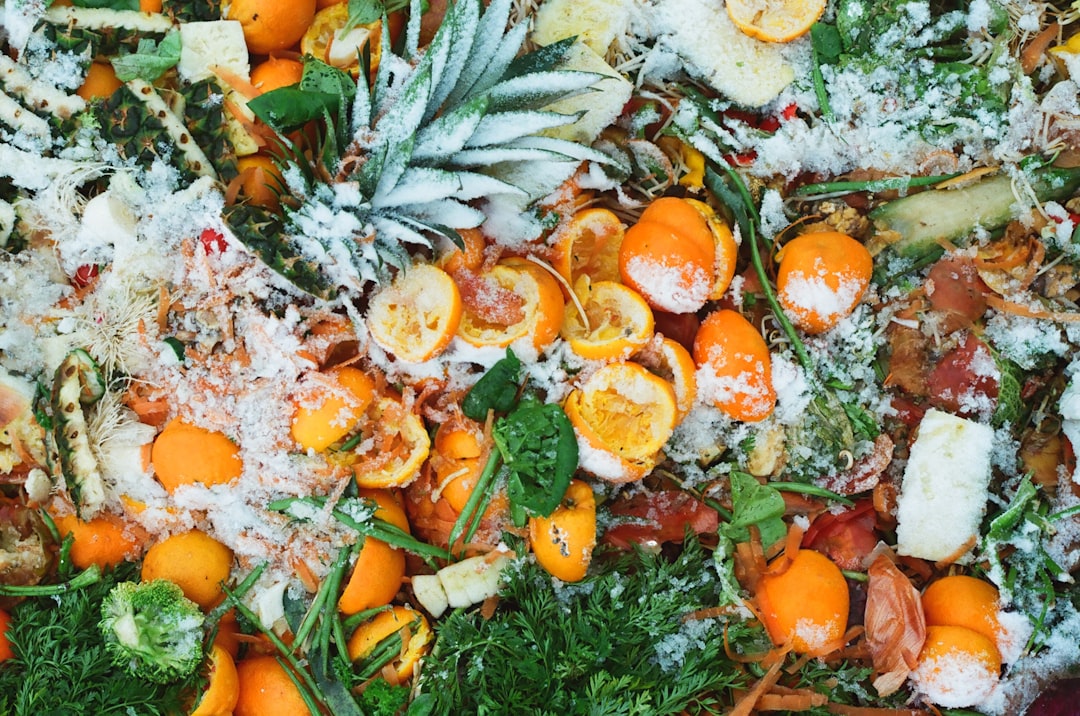
Even with the best planning, some food items won’t make it. Instead of tossing them in the trash, consider composting. This eco-friendly option not only diverts uneaten food from landfills but also enriches your garden soil!
9. Educate Yourself and Your Family
Teaching the entire household about food spoilage is essential. Have conversations about responsible consumption, and create a family game plan for using food wisely. When everyone is on the same page, it becomes much easier to throw out less food.
10. Use Nishi to Track Expiration Dates
To stay ahead of food going bad, consider using apps like Nishi that help you track expiration dates. It’s a simple way to remind you when items are about to expire, letting you enjoy them before they go bad. Plus, tracking what you have on hand can help guide your meal planning!
Conclusion
Throwing out less food at home may seem daunting, but with these practical tips, you can start making changes today! With small adjustments in meal planning, storage, and tracking tools like Nishi, you can save money while also helping the planet. Every bite counts, and together, we can let far less food spoil. Let’s get started!
Comments