
Key Takeaways
- Nutrients can degrade quickly after harvest, especially for greens and soft fruits.
- Cooking methods significantly affect the nutrient content of your food.
- Proper storage is key to maintaining the nutritional quality of your food.
In This Article
Ever Wondered What Happens to Your Food’s Nutrients?
You know that moment when you open the fridge and see a sad, wilted bag of spinach? It’s like a mini funeral for all those nutrients. Did you know that the journey from farm to your fork can affect what you’re actually putting on your plate? Let’s break it down.
The Nutrient Timeline
When food is harvested, it’s brimming with vitamins and minerals. But once it’s plucked from the earth, the clock starts ticking. Here’s what happens:
- Immediate Changes: As soon as fruits and veggies are harvested, they can start losing nutrients. For example, spinach can lose up to 50% of its vitamins within just a few days if not stored properly.
- Temperature Matters: Nutrients are sensitive to temperature. That’s why you often hear about fresh produce being transported in refrigerated trucks. If foods sit in the heat too long, like an avocado waiting for guacamole night, they lose their vitamins quicker.
- Oxidation: The exposure to air can also lead to nutrient loss. Cut fruits, like apples, start to brown and lose vitamin C once they’re exposed to the air. Who knew they were so sensitive?
What About Cooked Food?
When you cook your food, nutrients can take a hit too. The cooking method matters:
- Boiling: You might want to rethink that boiling method for your veggies. Many vitamins are water-soluble (like B and C) and end up leaching into the water. Save that water for soup, and your body will thank you!
- Steaming: This method may be your best friend. Steamed vegetables retain more nutrients compared to boiling or frying. Plus, they taste great! (And they don’t end up as mystery mush in Tupperware.)
Storage Tips to Keep Nutrients High
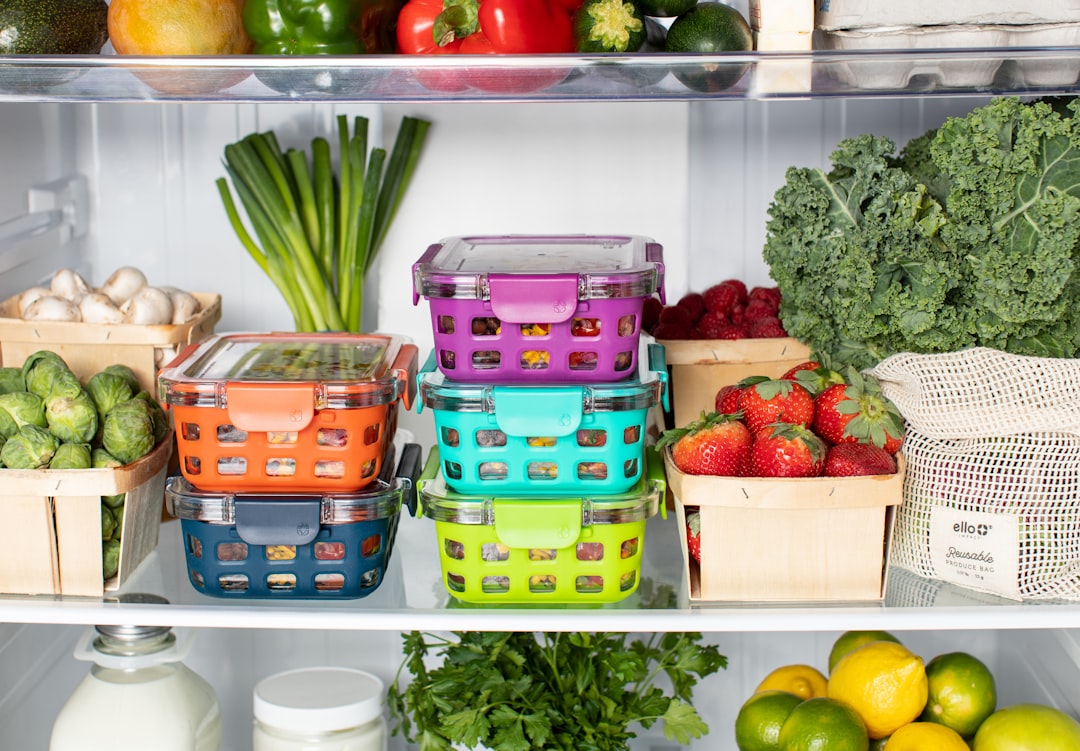
Here’s a not-so-secret tip: How you store your food can make a big difference in nutrient retention. Here are a few practical ways to make sure your food stays fresher and more nutrient-dense:
- Store greens like kale or spinach in airtight containers to minimize exposure to air.
- Keep fruits like bananas and avocados on the counter, but don’t forget to refrigerate cut fruits to slow down oxidation.
- For leftovers, a clear label with a date might feel extra, but it’s super helpful in making sure you use them before they reach their sad, nutrient-deficient state.
Common Questions
Q: How quickly do nutrients start to degrade after food is harvested?
A: It can start within days, especially for leafy greens and other delicate produce. Storage conditions can significantly influence this rate.
Q: Is it better to buy frozen vegetables instead of fresh?
A: Not necessarily! Frozen veggies are usually flash-frozen at their peak ripeness, which helps retain nutrients. Just be cautious of added sauces or preservatives.
So, the next time you accidentally toss a forgotten bag of spinach into the compost, remember that those nutrients may have had a short, sad life after all. Understanding how food changes after harvest helps us appreciate what we eat and can lead to throwing out less food. Win-win!

Comments