Key Takeaways
- Hydration on GLP-1 involves both water and electrolytes.
- Electrolytes play a crucial role in energy and fluid balance.
- Incorporate various foods to maintain electrolyte levels.
In This Article
- Your Body’s Hydration Needs Change
- The Balancing Act of Electrolytes
- Signs You Might Need More than Water
- How to Sprinkle in Electrolytes
- Conclusion: A Completeness to Hydration
- Common Questions
- Can I just drink sports drinks for electrolytes?
- How much of each electrolyte do I need?
- What are good food sources for electrolytes?
Your Body’s Hydration Needs Change
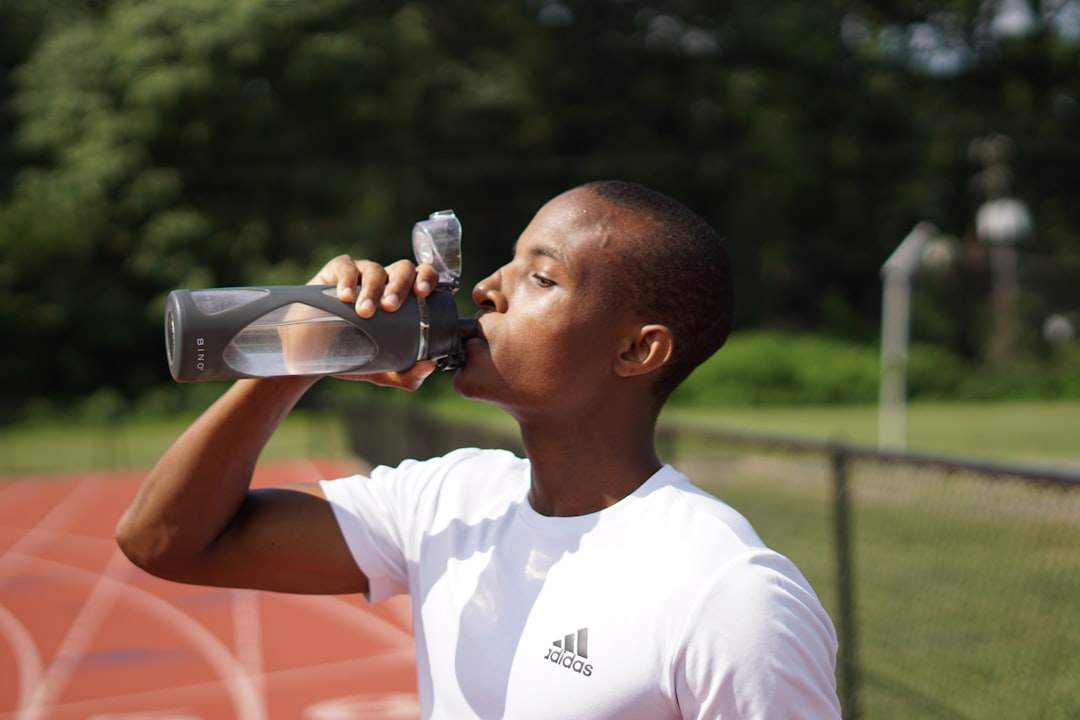
When you're on GLP-1 medications like Ozempic, it's common to notice your appetite dwindling and your meals shrinking in size. This can lead you to think that staying hydrated is solely about drinking more water. But there's a catch. As your appetite decreases and your food intake shifts, you're not just missing out on nutrients, you're also potentially skipping out on essential electrolytes that aid in hydration.
The Balancing Act of Electrolytes
Electrolytes, such as sodium, potassium, magnesium, and calcium, play significant roles in maintaining your body’s fluid balance. They help regulate everything from muscle contractions to nerve signaling. When you eat less, you may not be consuming enough foods that are rich in these minerals. Think about how often you’re eating foods like bananas for potassium, or dairy for calcium. If your meals get smaller or you skip snacks altogether, that intake can dip sharply. Your body still needs those guys buzzing around to do its job effectively.
Signs You Might Need More than Water
Feeling fatigued, experiencing cramping, or having an unusual thirst could signal that you're not just dehydrated but also low on electrolytes. These little signals can be easy to overlook when you’re focused on scaling back your meals. It’s one thing to sip water mindlessly; it's another to listen to your body’s calls for a more balanced approach to hydration.
How to Sprinkle in Electrolytes
Incorporating electrolytes doesn't have to be complicated. Try adding a pinch of salt to your food, or enjoy a handful of nuts for a mix of essential minerals. Coconut water is also a fun, hydrating option that delivers potassium while offering a little sweetness. If you’re craving salty snacks, go for the pretzels or crackers that may not be on your usual radar, they can help replenish lost sodium without feeling heavy.
Conclusion: A Completeness to Hydration
When you're navigating the nuances of appetite on GLP-1 medications, remember that hydration is a two-part puzzle. While water is undeniably crucial, don't forget those electrolytes, which can help your body better absorb fluids and stay energized. Your body's signals are worth listening to, so ensuring you're getting that balance can promote not just hydration, but a more vibrant you.
Common Questions
Can I just drink sports drinks for electrolytes?
Sports drinks can offer a quick boost of electrolytes, but be mindful of added sugars. Sometimes, whole foods can provide a more balanced source along with other nutrients.
How much of each electrolyte do I need?
There's no one-size-fits-all answer, but aiming for a diet rich in fruits, vegetables, and whole grains typically covers your needs. If you're concerned, it's worth chatting with a healthcare professional.
What are good food sources for electrolytes?
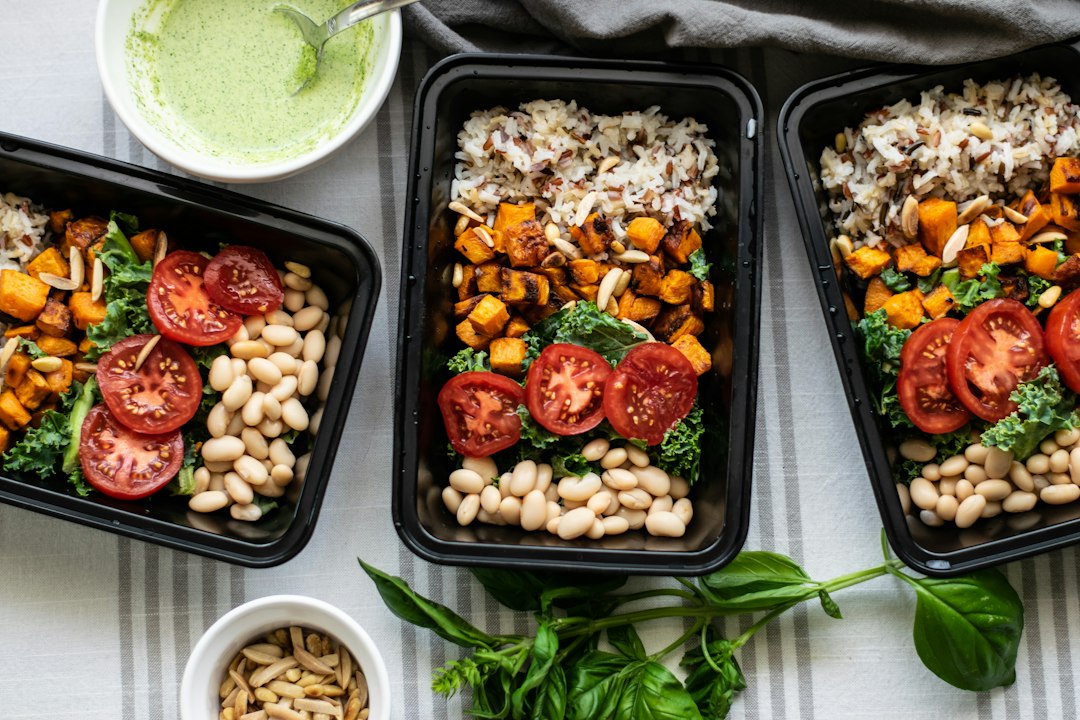
Foods like leafy greens, bananas, avocados, nuts, and seeds are all fantastic sources of various electrolytes to consider. Don't shy away from incorporating them into your meals. For more detailed information on the role of electrolytes in hydration, you can visit this page.
```
Comments