Key Takeaways
- Focus on diverse protein sources like legumes, dairy, and eggs.
- Incorporate a variety of fruits, veggies, and whole grains for fiber.
- Create a personal shopping map to streamline decisions.
In This Article
- Making Smart Choices for Your Grocery List
- Catching the Protein Wave
- Maximizing Fiber for Fullness
- Creating Your Personal Grocery Map
- Be Open to Experimentation
- Common Questions
- How can I remember what's on my GLP-1 list while shopping?
- Can I include snacks in my grocery list?
- What if I can’t find certain items at my store?
Making Smart Choices for Your Grocery List
Building a grocery list rooted in GLP-1 principles doesn’t have to feel overwhelming or tedious. It’s more about connecting your meals with how you feel, creating a rhythm that works for you. When we focus on protein and fiber, we not only nourish our bodies but keep our energy steady throughout the day. Let’s dig into how to make that list come to life.
Catching the Protein Wave
Protein serves as the cornerstone of your grocery list, helping to manage hunger and support muscle health. Think about including a variety of sources; it’s not just about chicken and beef. In a standard U.S. grocery store, look for:
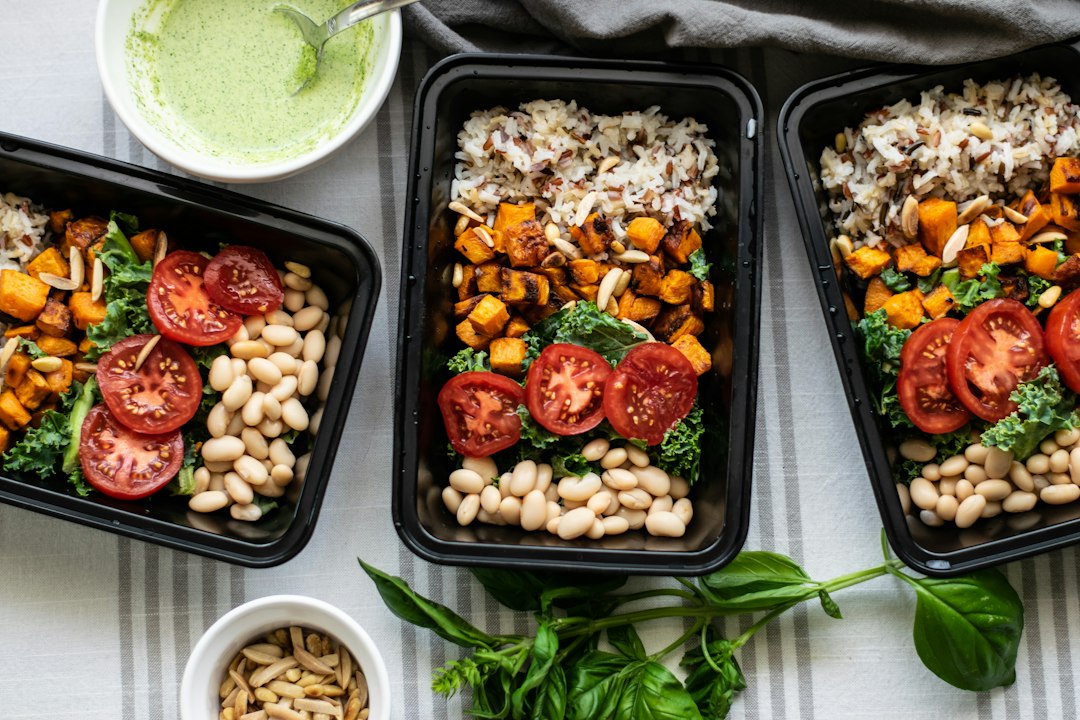
- Legumes: Beans, lentils, and chickpeas are protein-packed and versatile. Consider trying cannellini beans in salads or adding red lentils to soups.
- Dairy: Greek yogurt or cottage cheese can keep you full and satisfied. A small bowl of Greek yogurt with some fruit makes for a quick and nourishing snack.
- Eggs: They’re not just for breakfast; try hard-boiled eggs in your lunch or scrambled eggs with veggies at dinner.
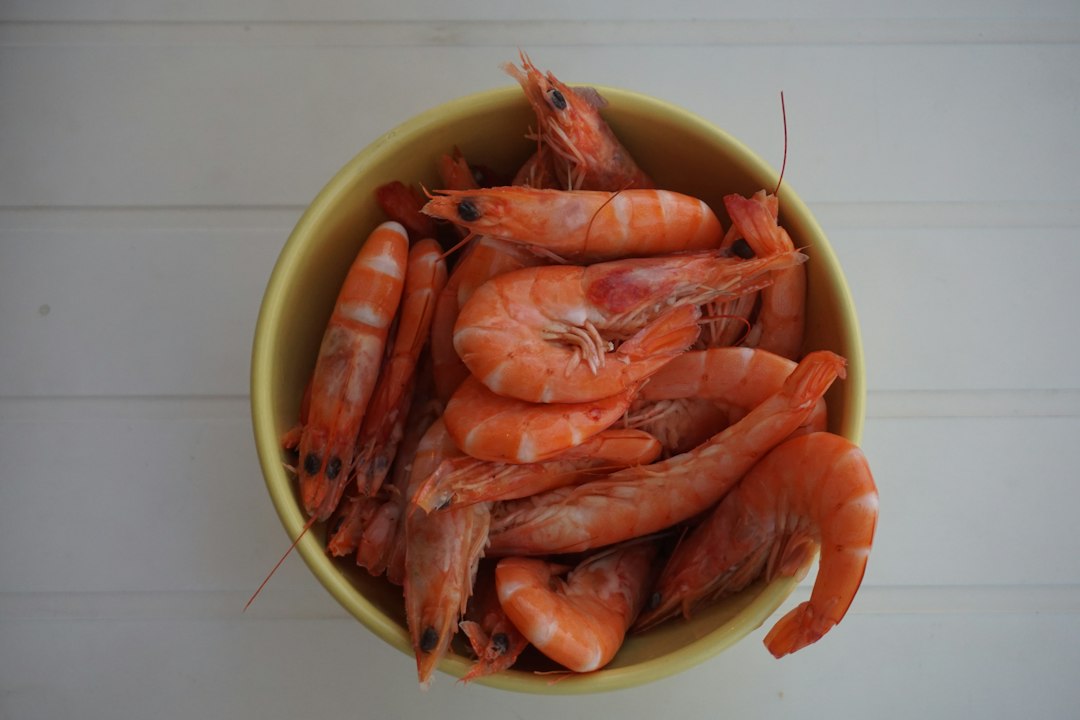
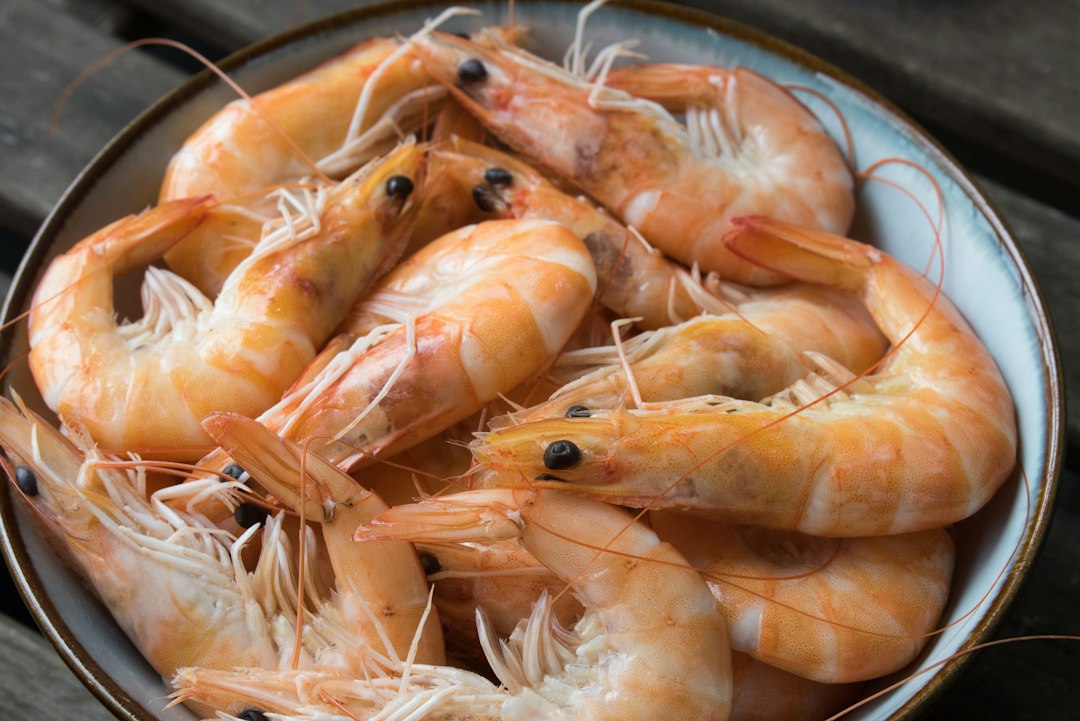
- Fish: Salmon, tuna, or sardines can provide a rich source of protein along with omega-3s. Look for canned varieties for convenience and check the frozen section for fillets.
Maximizing Fiber for Fullness
Now, let’s turn to fiber, which plays its part in making you feel full and supporting gut health. As you stroll through the aisles, embrace the colorful produce and whole grains:
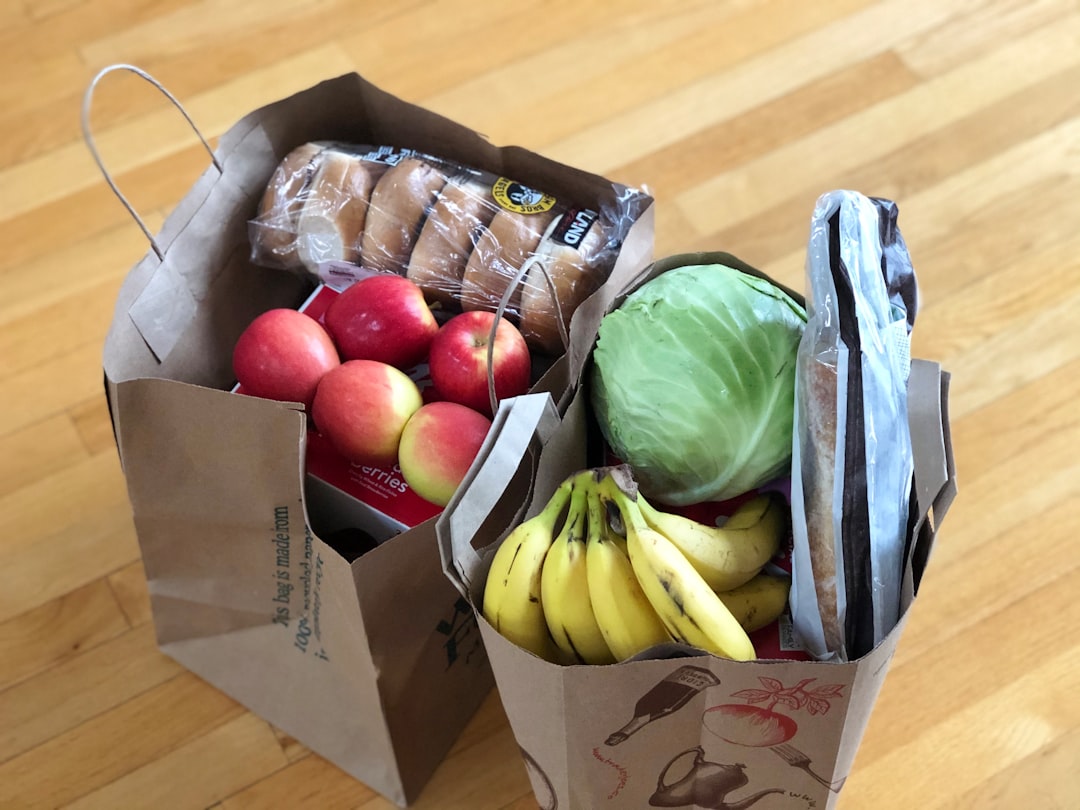
- Fruits and Vegetables: Fill your cart with a rainbow of fruits and veggies. Broccoli, Brussels sprouts, and sweet potatoes not only boost fiber intake but also pack a punch of vitamins. Think about grabbing avocados for healthy fats and fiber.
- Whole Grains: Swap out white bread and pasta for whole wheat options, quinoa, or brown rice. These whole grains add both fiber and a satisfying base for meals.
- Nuts and Seeds: Almonds, chia seeds, and flaxseeds are small but mighty when it comes to fiber. Consider a handful of nuts with your afternoon snack or sprinkle seeds over a salad.
Creating Your Personal Grocery Map
Mapping out your grocery trip can help prevent the dreaded “what do I buy?” trap. As you’re jotting down items, think of creating meals around what you grab. For instance, if you buy kale, envision a hearty salad or a green smoothie. If chickpeas make it into your cart, how about a warm curry for dinner?
Write down combos or meals you enjoy, and keep an ongoing list of favorites to stick to when planning your shopping trip. This not only reduces the chance of impulse purchases but also helps you stay balanced in your protein and fiber intake.
Be Open to Experimentation
Everyone has their unique tastes and routines. Don’t shy away from trying new foods. Maybe it’s a new grain you’ve never cooked with or a type of fish that catches your eye, you might just find your next favorite ingredient!
Common Questions
How can I remember what's on my GLP-1 list while shopping?
Consider taking a picture of your list on your phone or keeping it handy in your wallet. Many shopping apps also allow you to jot down favorites or create lists you can check off while you shop.
Can I include snacks in my grocery list?
Absolutely! Snacks can be a great way to mix in more protein and fiber. Think about items like nut butter with apple slices, or whole grain crackers with some hummus.
What if I can’t find certain items at my store?
Don’t worry! Many grocery stores have alternatives. For example, if you’re looking for a specific kind of legume, others like cannellini or black beans can be just as satisfying. You can learn more about the importance of fiber for health here.
Comments