Key Takeaways
- Fiber, both soluble and insoluble, supports digestion.
- Hydration is crucial; aim for plenty of fluids alongside fiber.
- Gentle movement can stimulate your digestive system.
In This Article
Understanding the Connection: GLP-1 and Constipation
When people start taking GLP-1 medications, like semaglutide, conversations often turn to weight management and appetite control. But for many, an unexpected side effect is constipation. It’s curious how our bodies respond differently to the same medications. Just as you might notice that certain foods make you feel spry and others leave you sluggish, these medications also reshape how things operate in the digestive tract.
Let’s explore a few food-first approaches to ease constipation that may help you feel more like yourself again, while gently supporting your digestion.
Fiber: Your Digestive Ally
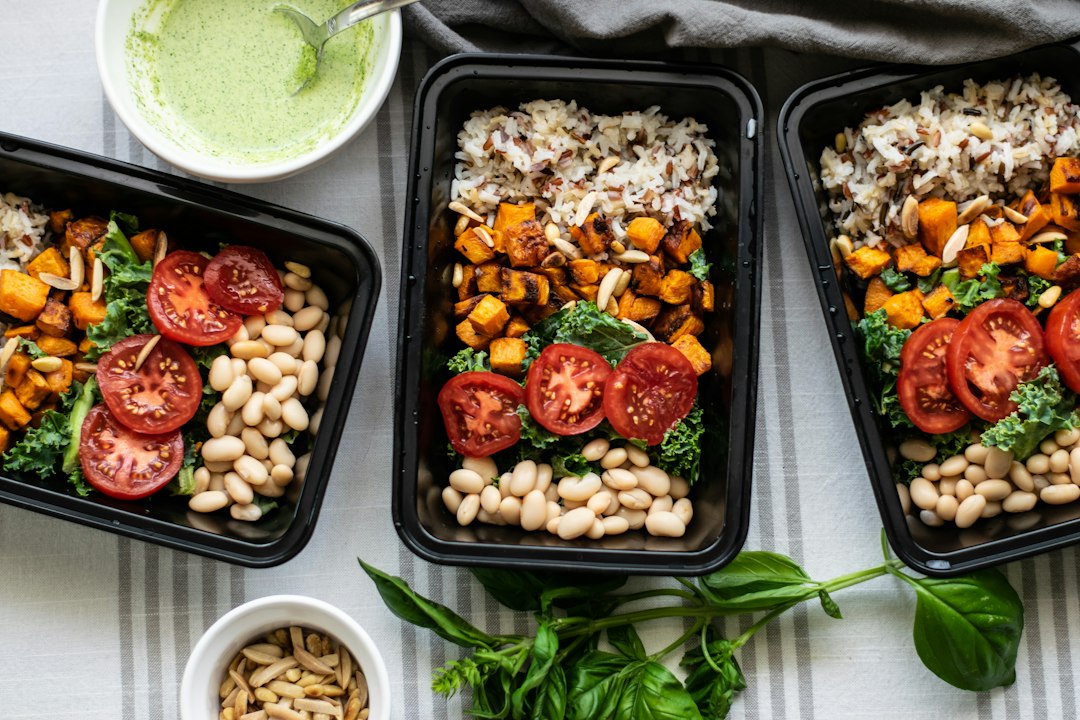
Fiber is one of the best tools we have for keeping things moving smoothly in our bodies. It adds bulk to your stool and encourages regular bowel movements, but not all fiber is created equal. There are two main types: soluble and insoluble. Soluble fiber, found in foods like oats, beans, and apples, can help soften stool, while insoluble fiber, present in whole grains, nuts, and the skins of fruits and veggies, can encourage movement through the digestive tract.
If you're noticing a shift in how often you’re going to the bathroom since starting a GLP-1, aim to include a balanced mix of both types of fiber in your meals. Think about a comforting bowl of overnight oats topped with berries, or a colorful salad brimming with chickpeas and crunchy bell peppers for lunch. Experiment with foods that are high in fiber, but introduce them gradually. Too much too soon can lead to discomfort!
Stay Hydrated: Fluids Matter
Next up, don’t underestimate the power of hydration. Water plays a crucial role in digestion. It helps dissolve nutrients and softens stool, making it easier to pass. If you’re increasing your fiber intake, you’ll definitely want to boost your fluid consumption as well. Aim for at least eight glasses of water a day, or more if you’re active.
Herbal teas can also be a soothing addition. Think warm fennel or peppermint tea after meals to aid digestion, or coconut water if you’re craving something a little sweet. And don’t forget the fruits and vegetables; cucumbers, watermelon, and oranges all contribute to your fluid intake while packing essential nutrients.
Movement: The Gentle Nudge
Our bodies were made to move, and incorporating some gentle physical activity can work wonders. Regular movement doesn’t just help manage weight; it also helps stimulate the muscles in your intestines, aiding in digestion. You don’t need to run a marathon; even a daily walk around the neighborhood can make a difference. Consider yoga, gentle stretching, or even a dance party in your living room!
More than just exercise, listening to your body’s natural rhythms can help too. Try to set a routine where you give yourself time to relax post-meal. Just a few minutes walking around or doing simple stretches can activate your digestive system, showing it some love.
A Gentle Approach to Digestive Harmony
Navigating the delicate balance of GLP-1 medications and the resulting changes to your gut can feel challenging. But by focusing on what you can include, fiber, fluids, and movement, you may delight in feeling a bit more connected to your body again. As you integrate these foods and activities, pay attention to how they make you feel. It’s all about finding your rhythm and what works best for you.
Common Questions
How long does it take for fiber to help with constipation?
It varies from person to person, but generally, you might start noticing changes within a few days to a week after increasing your fiber intake.
Can drinking too much water lead to digestive issues?
Drinking an adequate amount of water is essential for digestion, but overhydration can lead to an imbalance of electrolytes and other issues. Aim for balanced fluid intake that feels right for your body.
What are some quick snacks to boost fiber intake?
Great options include sliced apples with almond butter, carrot sticks with hummus, or a bowl of mixed berries. All provide a satisfying crunch while delivering fiber.
For further reading about the role of dietary fiber in managing constipation, you can visit NIDDK's overview on constipation.
Comments