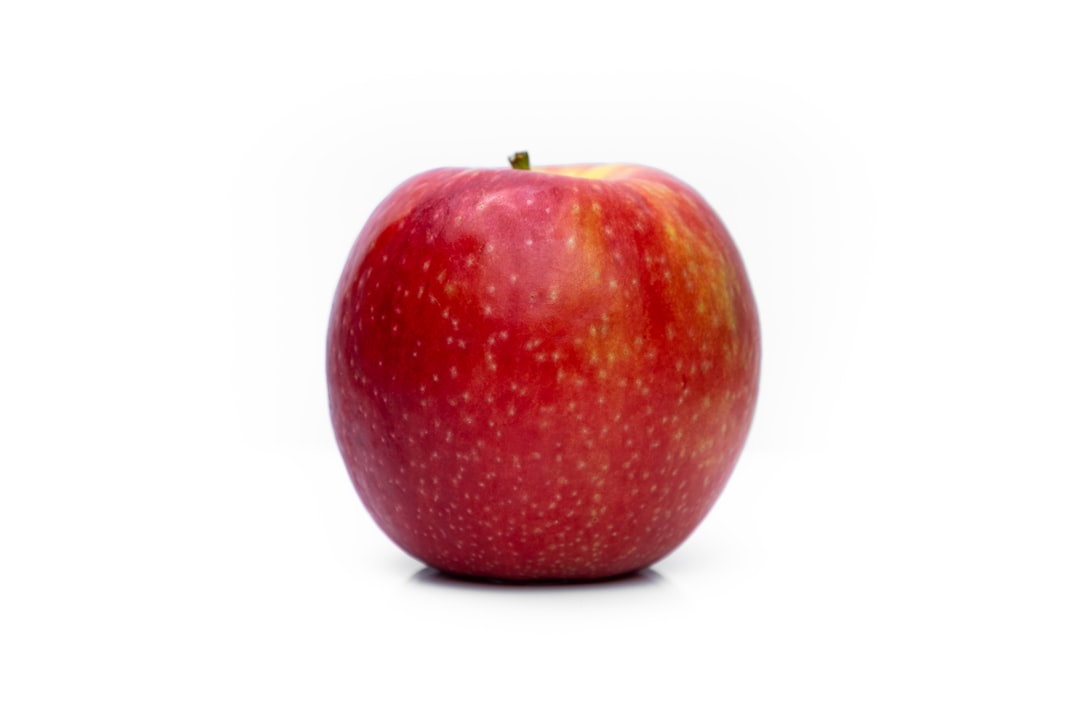
Key Takeaways
- Cutting an apple activates enzymes that lead to browning.
- Browning is a natural protective response, not a sign of spoilage.
- You can slow browning with acidity or by limiting air exposure.
In This Article
The Quick Transformation of Cut Apples
Have you ever sliced into a crisp apple only to watch its lively white flesh turn a muted brown within minutes? This curious transformation is the result of a fascinating interplay of enzymes, oxidation, and a bit of chemistry. Understanding this process can deepen your appreciation of this beloved fruit and might even influence how you enjoy it—let's dive into what happens inside that once-fresh apple.
The Role of Enzymes
When you cut an apple, cellular damage occurs, exposing its inner flesh to air. This exposure activates enzymes, primarily polyphenol oxidase (PPO), present in the apple. These enzymes catalyze the oxidation process swiftly. During this reaction, the PPO helps convert phenolic compounds in the apple into brown pigments known as melanins. The browning is not merely cosmetic; it signals that the apple is trying to protect itself from microbes and oxidative damage.
Oxygen and Oxidation
As soon as the cut apple meets the air, oxygen plays a critical role in the browning process. The oxygen in the environment reacts with the exposed phenolic compounds in the apple’s flesh, speeding up the browning. This is why cut apples in a lunchbox or on a picnic seem to darken so rapidly. Interestingly, if you were to cut the apple and immediately seal it in a bag, the browning would slow down significantly because the oxygen is limited, effectively slowing down the enzymatic reactions.
Why Do We Care? The Sensory Impact
While the browning of an apple can sometimes signal spoilage, it’s vital to note that this aesthetic change doesn't necessarily indicate that the fruit has gone bad or lost its nutritional value. Many people find that a brown apple might taste a bit different—perhaps a bit more subdued, or even slightly sweeter, as the complex reactions have altered its flavor profile. Exploring how you feel about the texture and taste of browned apple slices can inform how you view your favorite snack. Plus, some dips, like lemon or peanut butter, can help retain that fresh color and flavor while adding delightful new layers to your eating experience.
In Closing
The next time you cut an apple, take a moment to appreciate the quiet science happening under the surface. That slight brown you see isn’t just a sign of decay, but rather a natural response full of complexity. And it can even open up new ways to enjoy this cherished fruit.
Common Questions
Why do cut apples turn brown so quickly?
Cut apples turn brown quickly due to the activation of enzymes that react with oxygen, resulting in the formation of brown pigments called melanins.
Does browning affect the taste or safety of the apple?
While browning alters the appearance and sometimes the taste, it does not necessarily indicate that the apple is unsafe to eat.
How can I prevent apples from browning?
To slow browning, try using lemon juice or vinegar, which lower pH and inhibit the enzymes. Alternatively, store cut apples in an airtight container to limit oxygen exposure.
Comments